


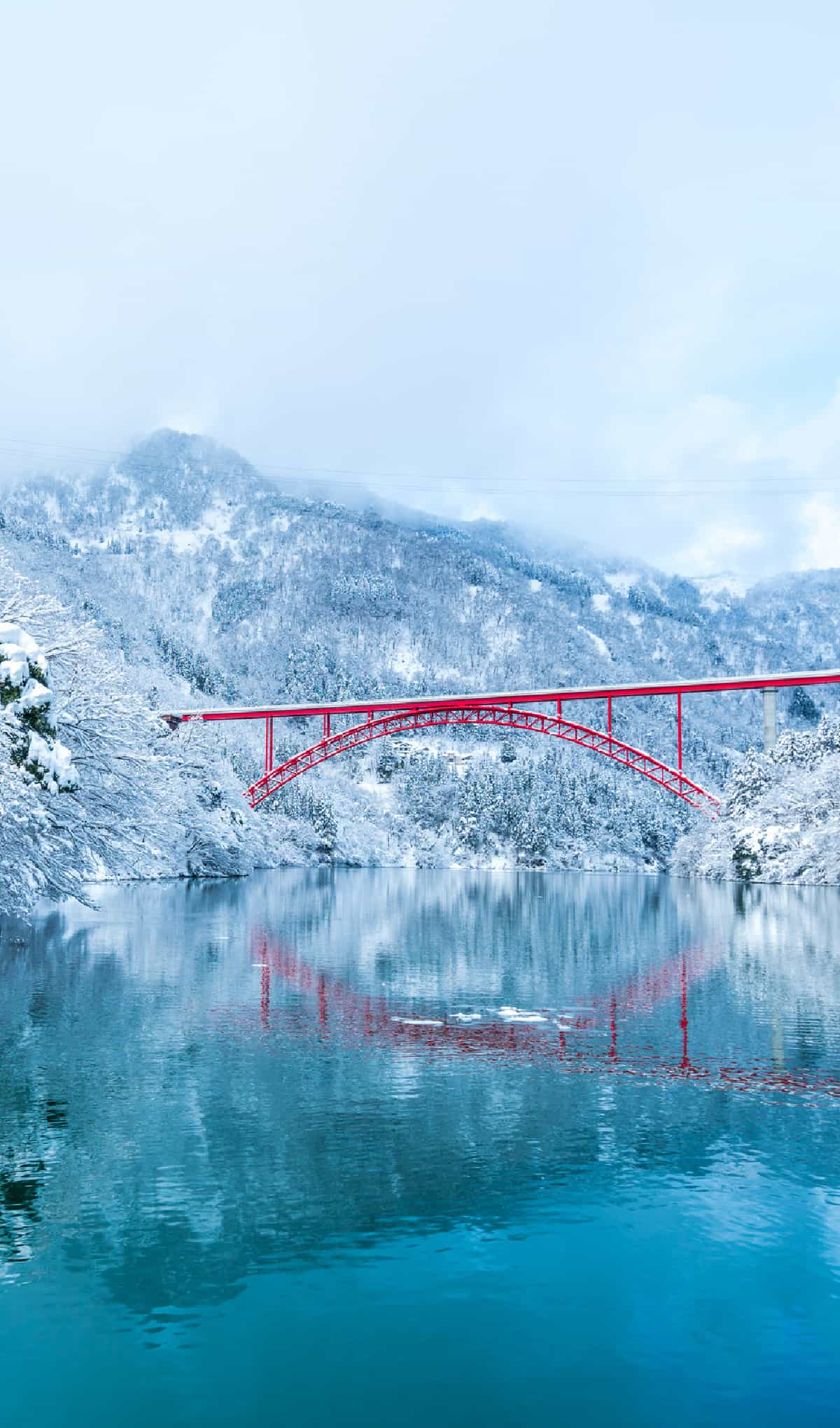
Inside Kurobe Gorge: Exploring Toyama’s New Kurobe Unazuki Canyon Route
Until October 2026, the route between Keyakidaira and Kurobe Dam was hidden from public view: a network of construction railways, tunnels, shafts and power facilities built to support hydroelectric development deep inside Kurobe Gorge. Now, travelers can follow that same roughly 18-kilometer route on the Kurobe Unazuki Canyon Route, riding infrastructure used by workers and engineers through some of Toyama’s mountain terrain. The journey moves between cramped underground passages, steep changes in elevation and brief openings onto valleys and peaks once difficult for ordinary visitors to reach.
A Route Built Through the Mountains
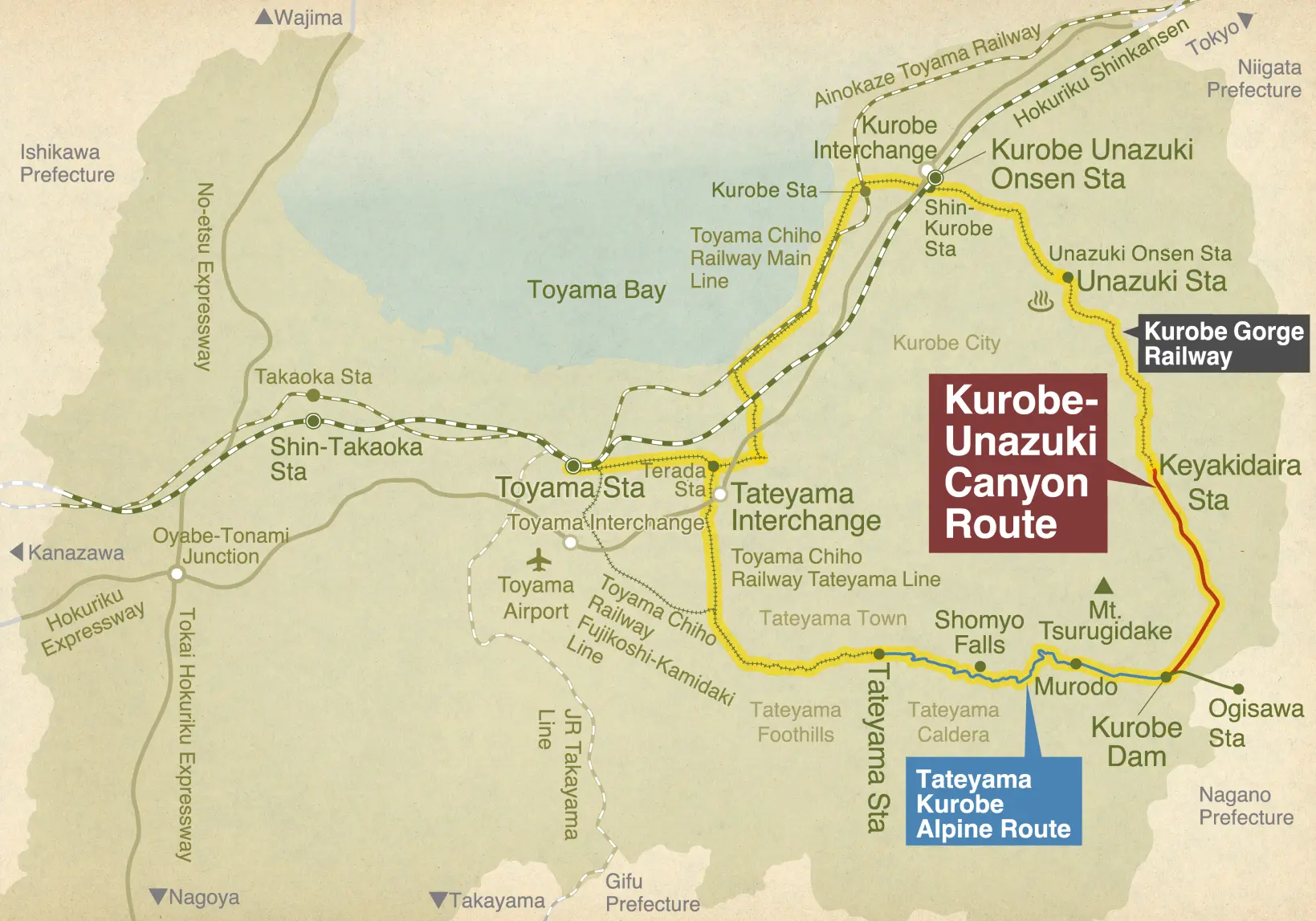
The Canyon Route connects Keyakidaira, deep within Kurobe Gorge, with Kurobe Dam on the Tateyama Kurobe Alpine Route. Traveling from the Unazuki side, visitors first ride the Kurobe Gorge Railway into the valley before continuing underground toward the dam. Tours also operate in the opposite direction, making it possible to connect two of Toyama’s best-known mountain areas as part of one continuous crossing.
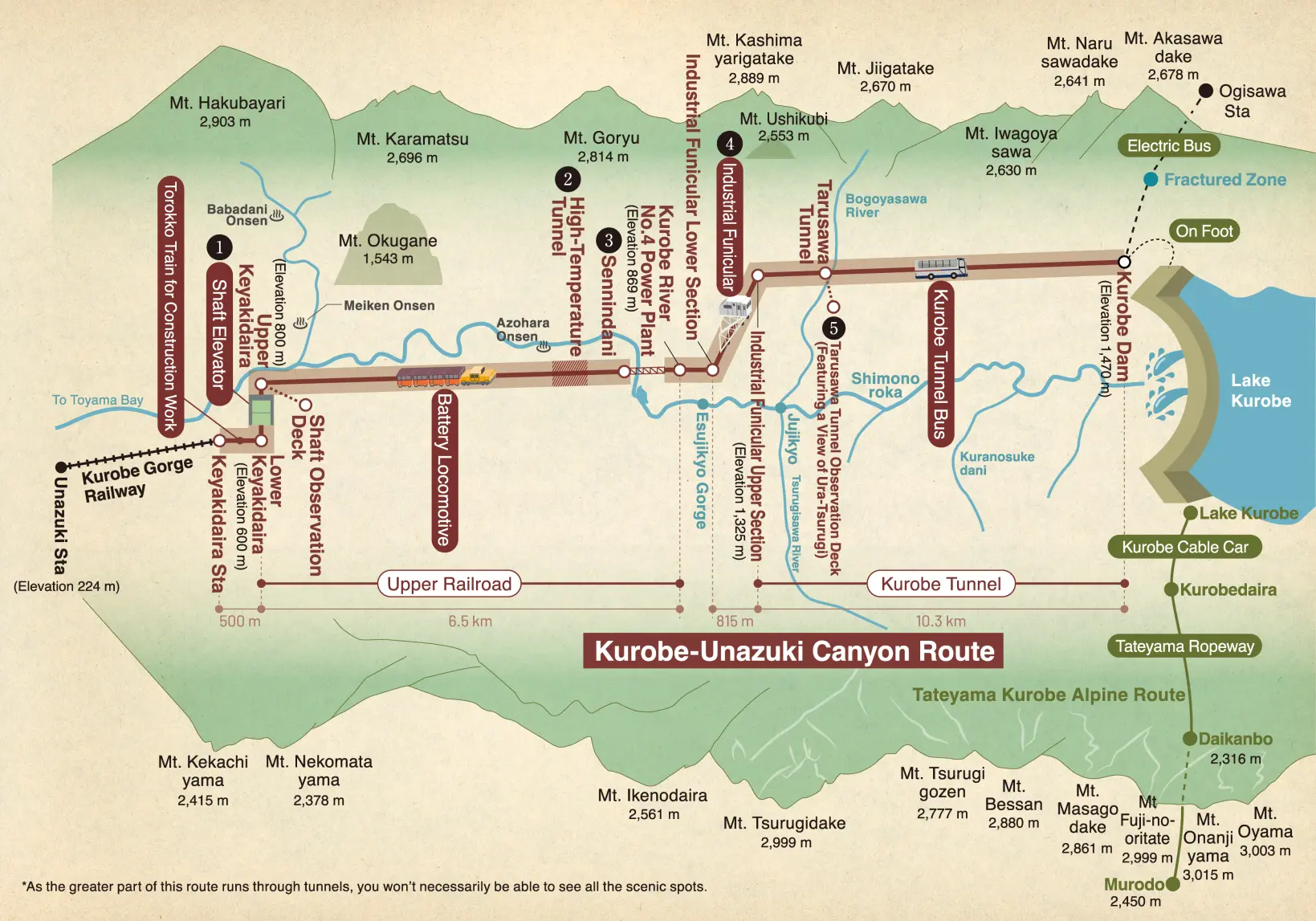
Most of this infrastructure was never intended for sightseeing. Hydroelectric development along the Kurobe River began in the early 20th century, when engineers and construction crews faced steep cliffs, heavy snowfall and narrow valleys with little room for roads. Railways, tunnels and access passages were driven through the mountains to carry workers, machinery and materials to remote construction sites.
The work presented severe challenges below ground too. During construction connected with the Kurobegawa No. 3 Power Station, crews encountered an intensely hot section of rock that became known as the High Temperature Tunnel. Later, work on Kurobe Dam and the Kurobegawa No. 4 Power Station hit the fracture zone, where groundwater and loose sediment flooded into the excavation. Breaking through took seven months. Those railways, shafts and tunnels now form the path visitors follow through the gorge.
Riding Deeper into Kurobe Gorge
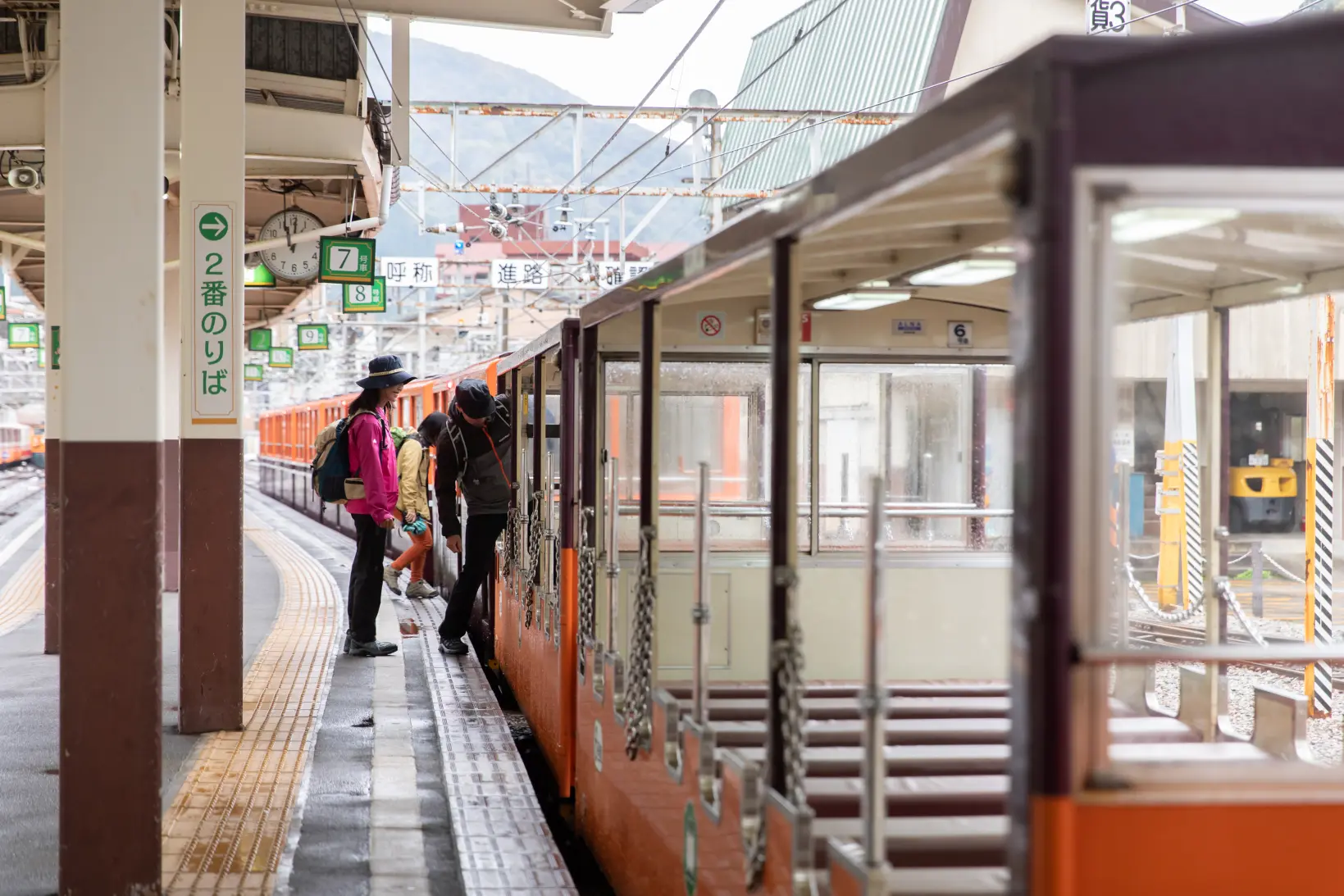
From Unazuki, the day begins aboard the Kurobe Gorge Railway, a small trolley train that follows the Kurobe River toward Keyakidaira. The ride gradually pulls away from the hot-spring town and into the valley, crossing bridges and slipping in and out of tunnels as forested slopes close in around the tracks.
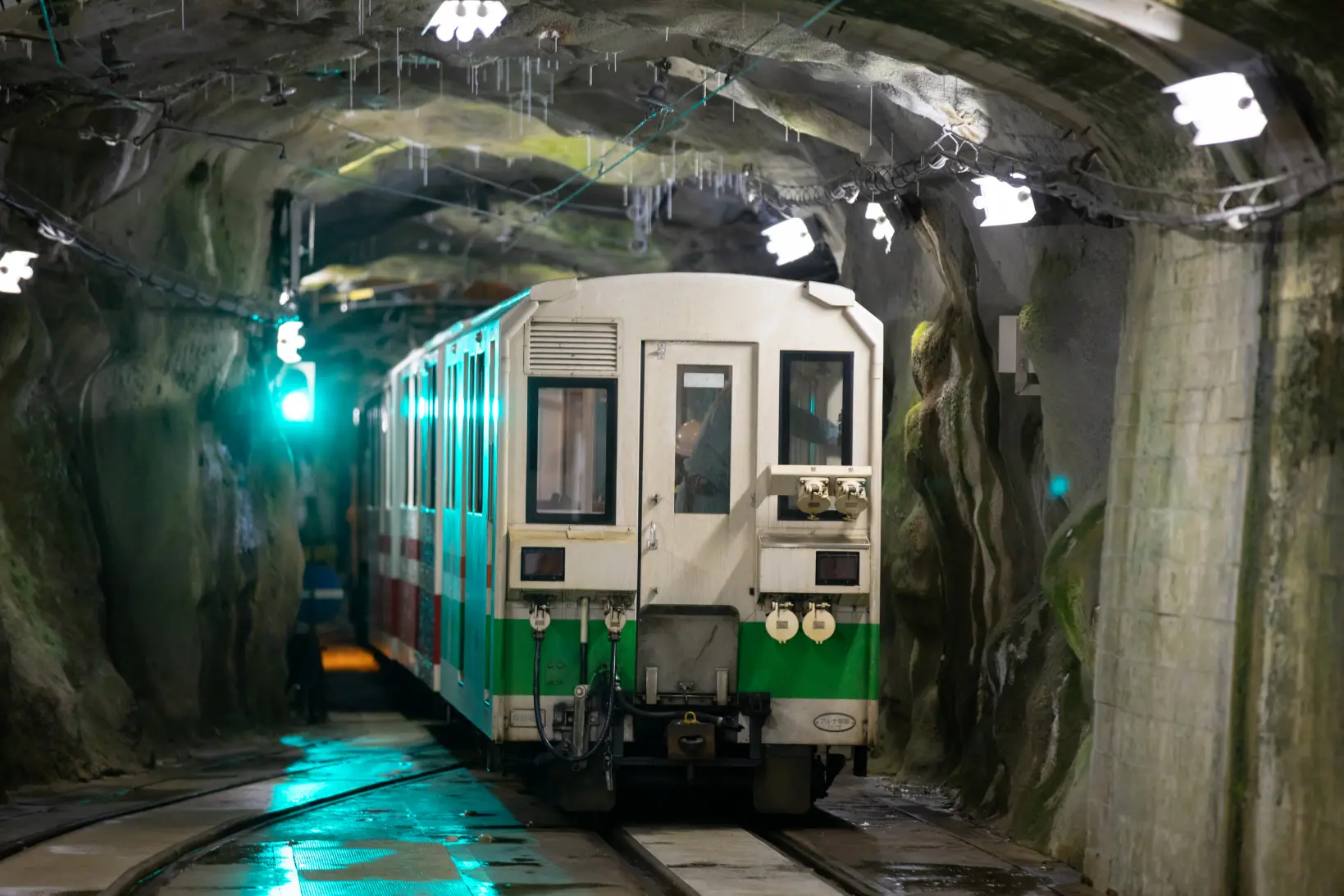
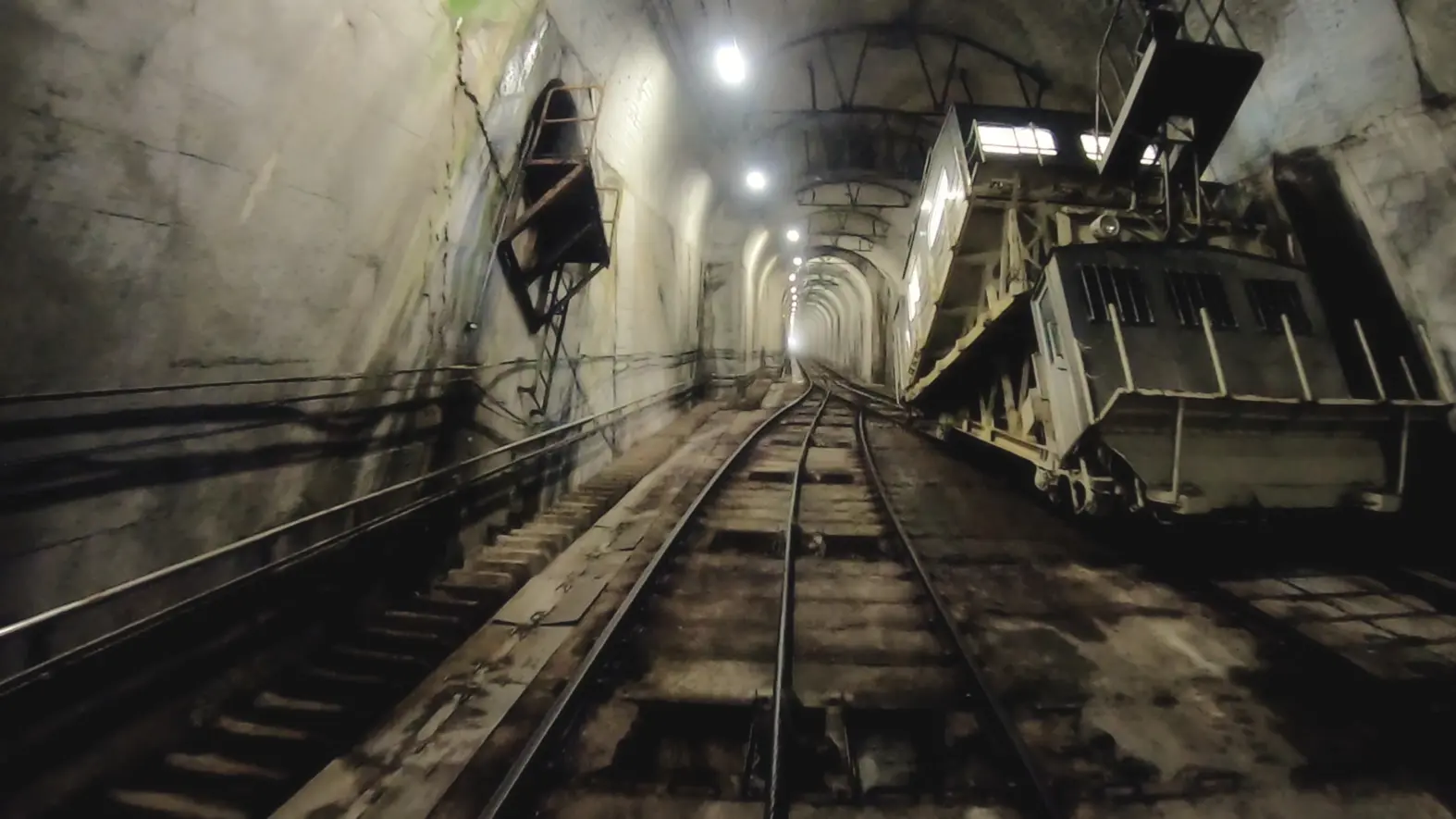
At Keyakidaira Station, the sightseeing railway gives way to a compact construction train once used to transport workers and materials. The ride covers only around 500 meters, but the smaller carriage and narrow tunnel make its industrial origins clear. The broad gorge disappears from view as the train enters the mountain.
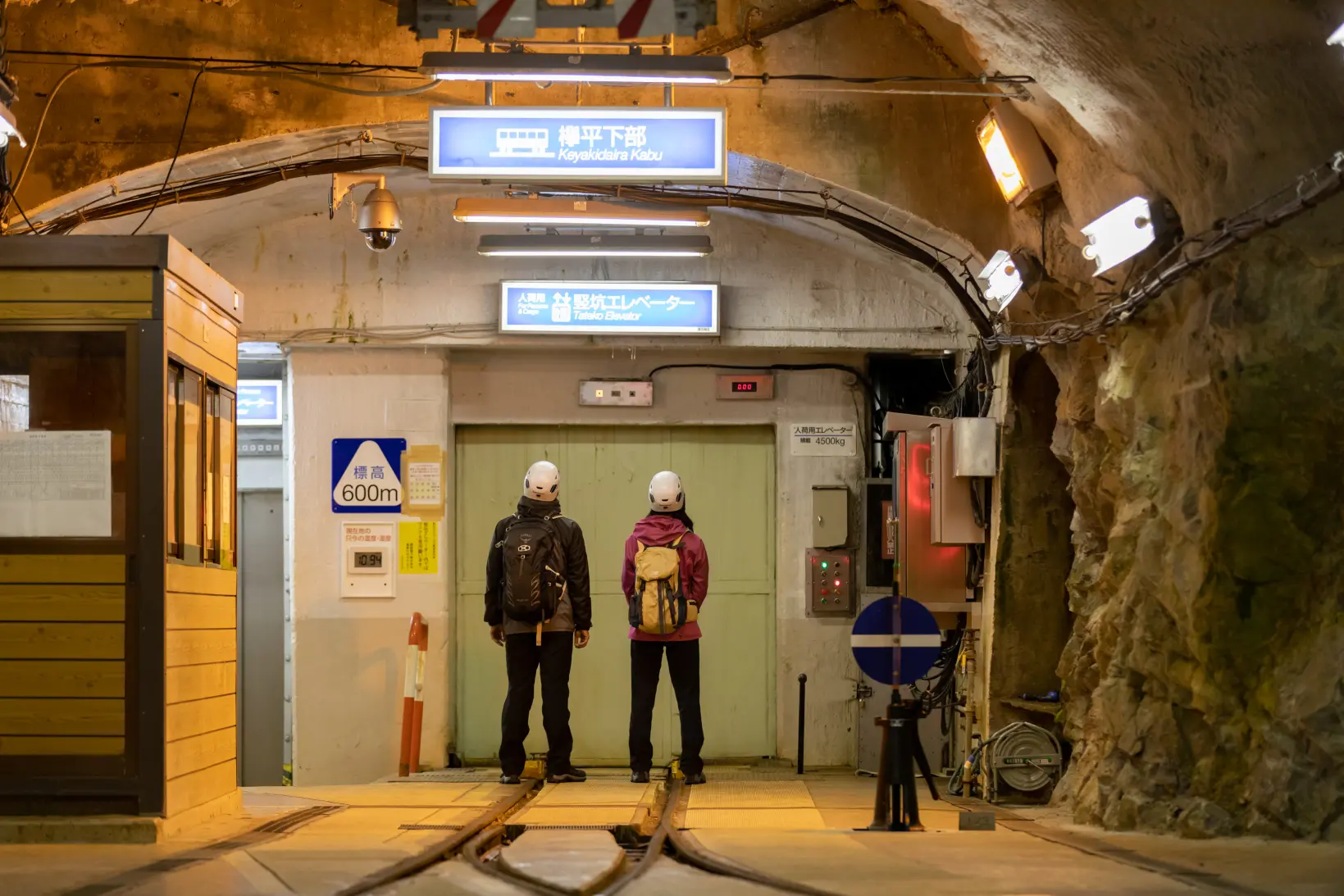
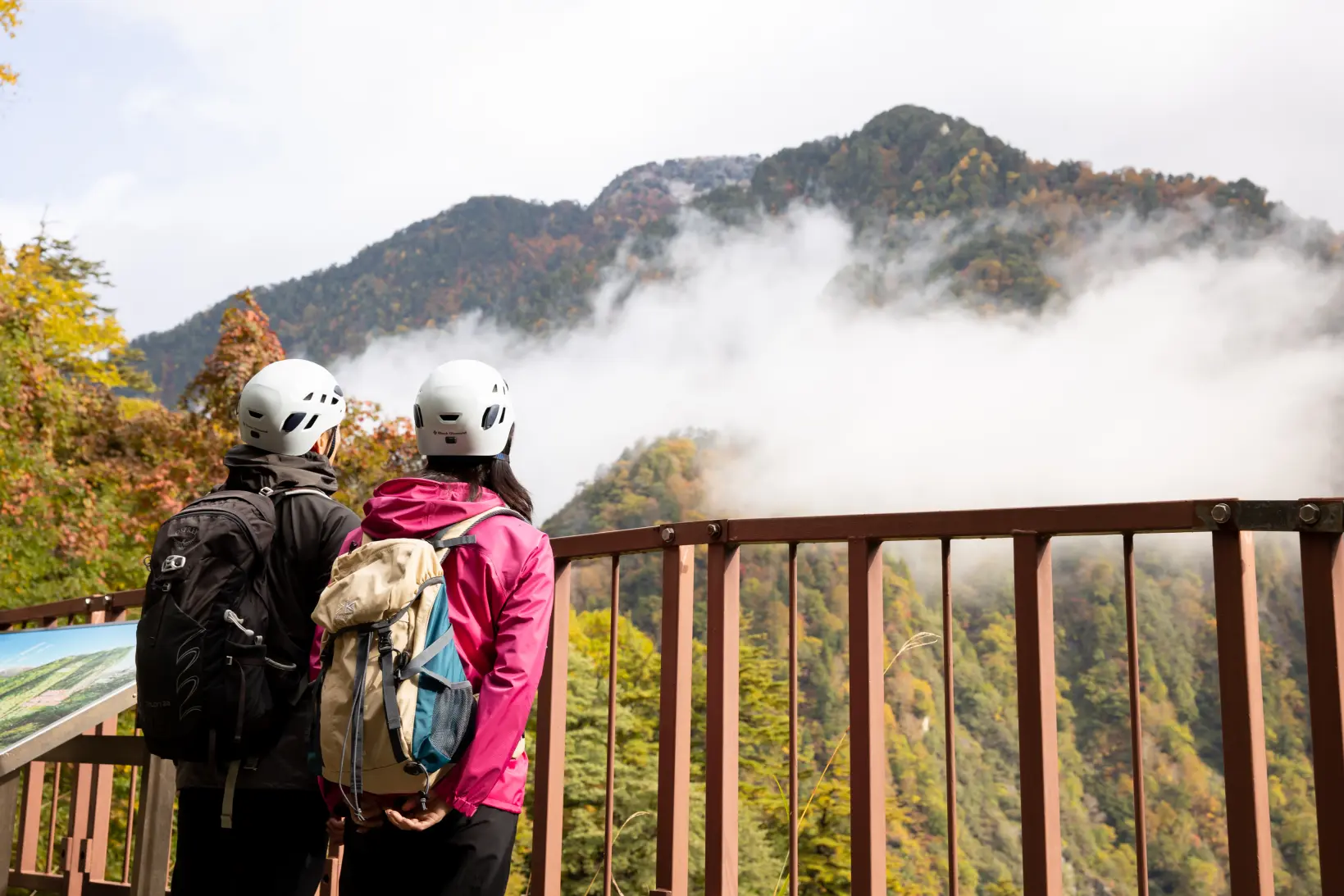
At the end of the line, a vertical shaft elevator carries visitors roughly 200 meters upward in around two minutes. With no windows, there is little sense of how quickly the elevation is changing until the doors open at the upper level. Nearby, an observatory looks across toward Mt. Okukane, with Mt.
Feeling the Heat of the High Temperature Tunnel
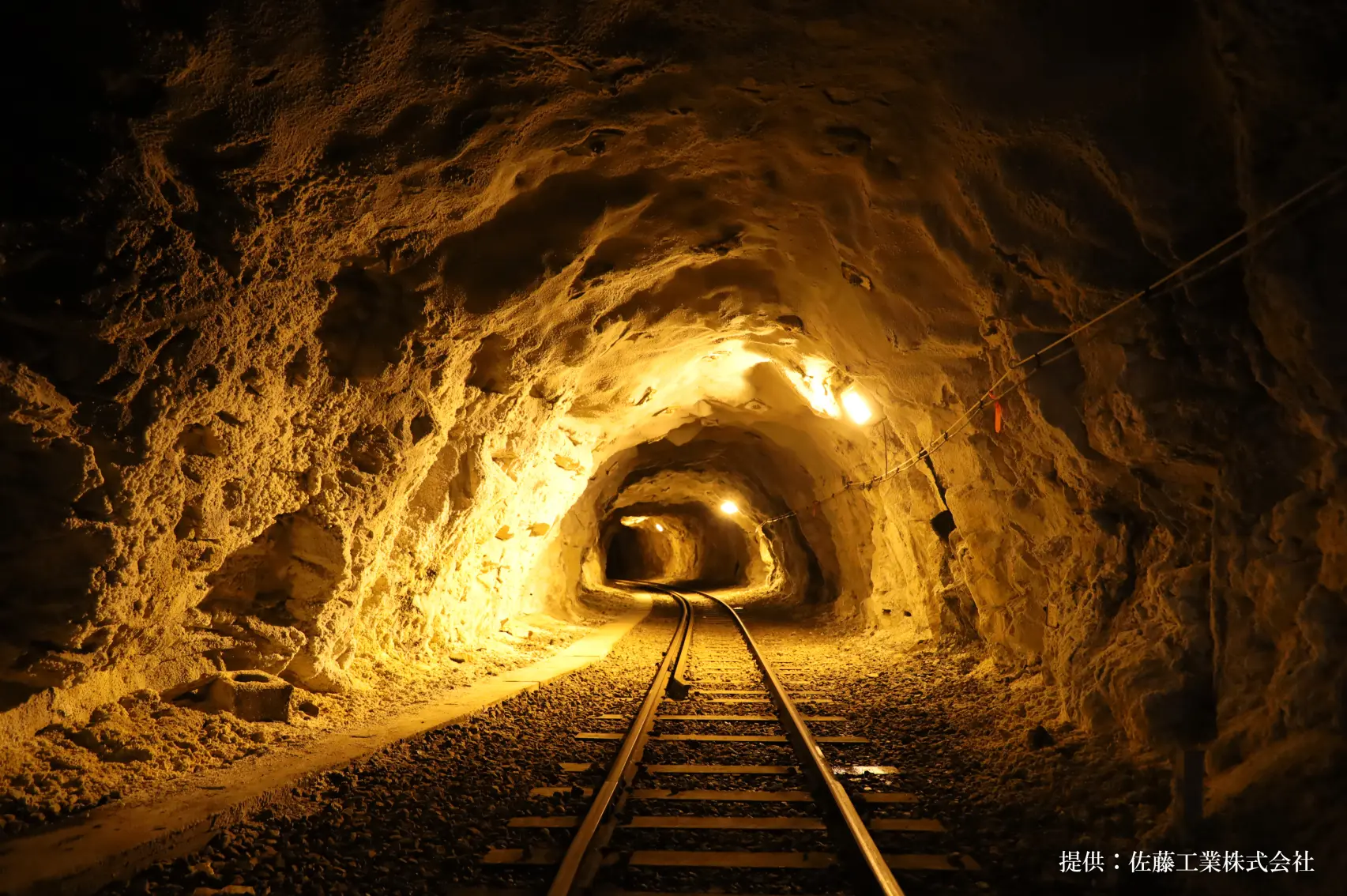
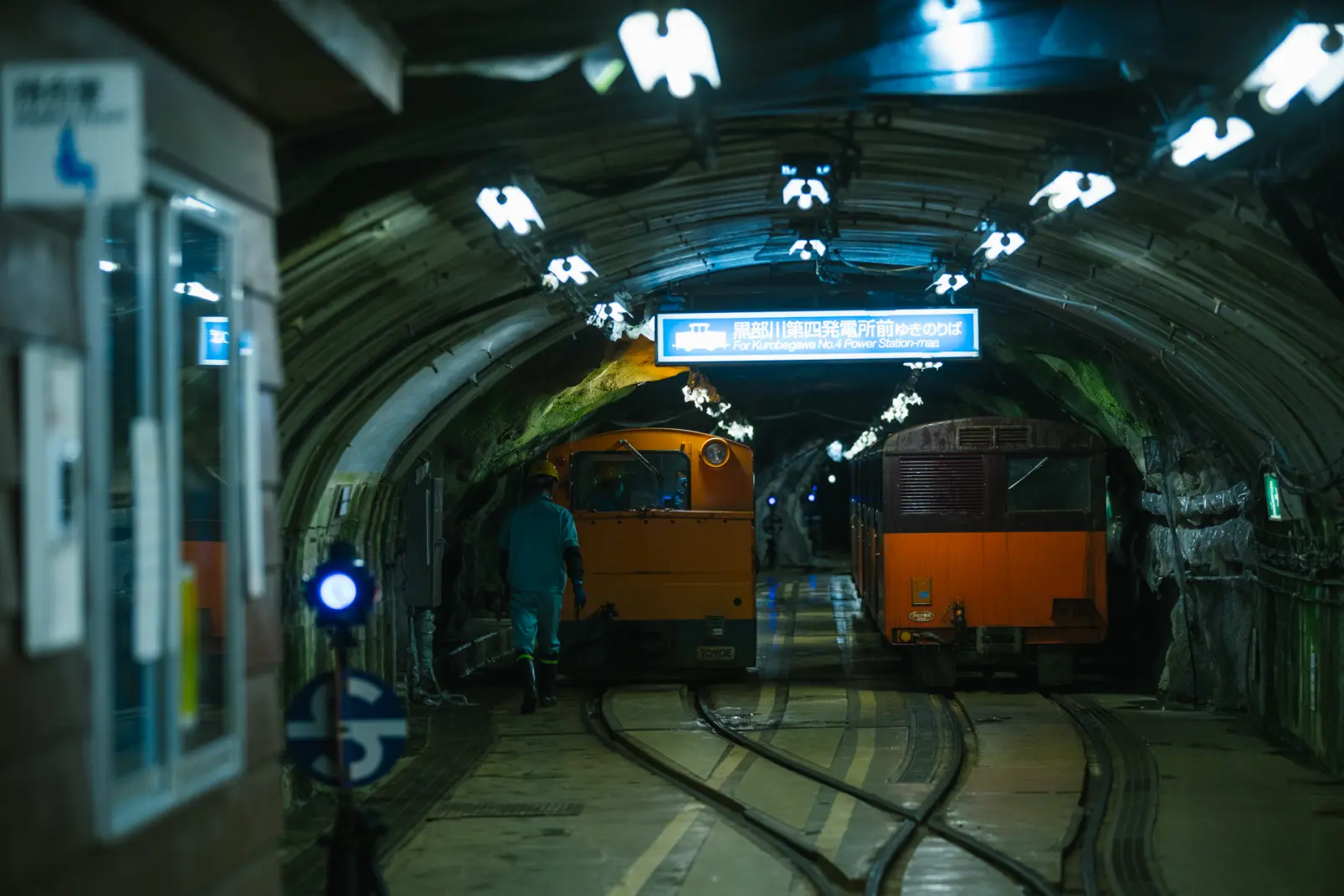
Next, a small battery locomotive heads toward the Kurobegawa No. 4 Power Station. Its compact carriage sits low in the tunnel as the tracks lead farther through the mountain, bringing travelers into the same section of the route that posed one of its greatest construction challenges.
During excavation of the High Temperature Tunnel, surrounding rock temperatures exceeded 160°C. Conditions are far less severe today, but parts of the tunnel remain around 40°C. As the locomotive passes through, the air becomes noticeably warmer and a faint smell of sulfur may drift into the carriage—a direct reminder of the geological conditions crews were working against.
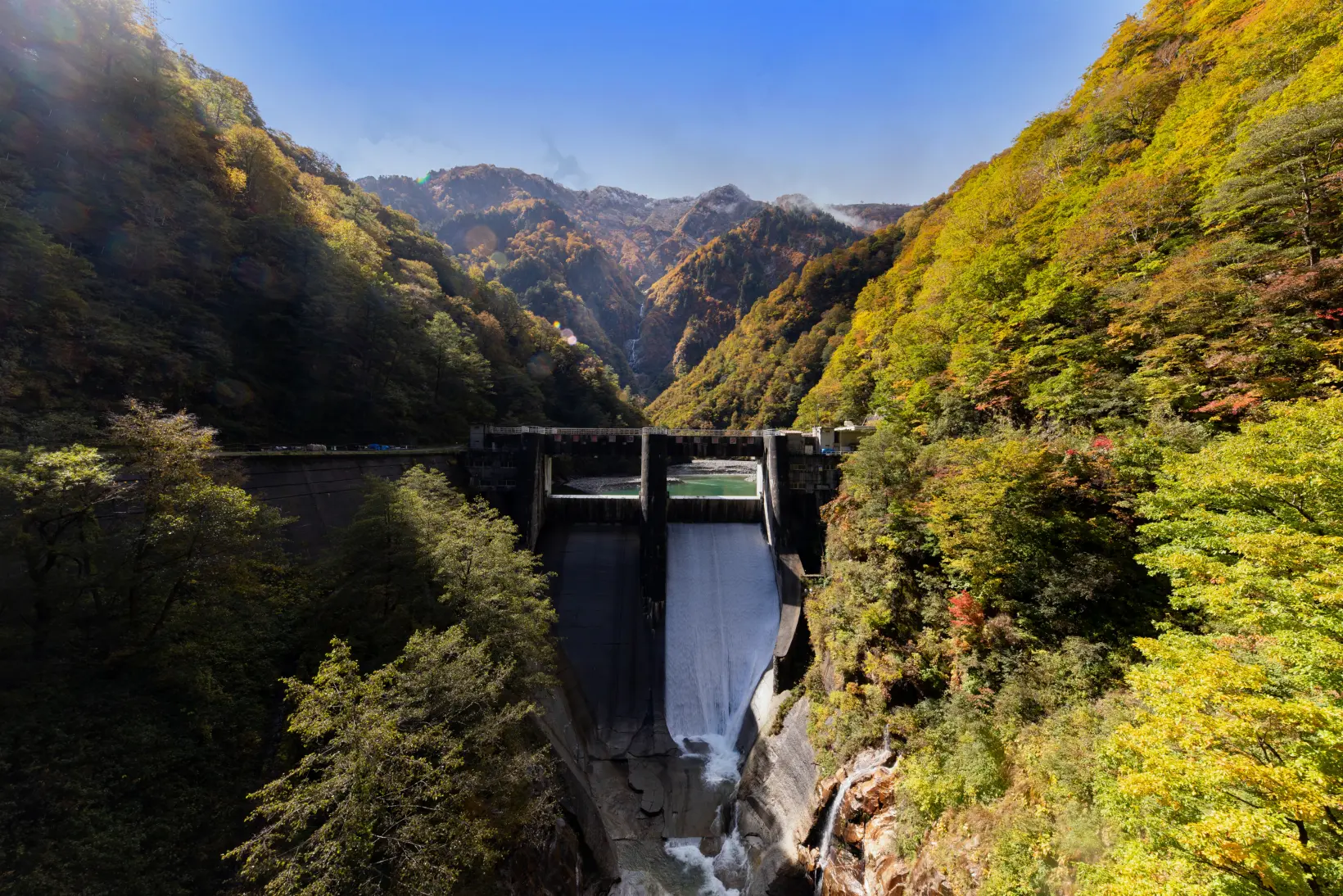
Then the darkness breaks at Sennindani. Daylight returns suddenly and the tunnel opens onto a steep valley. From an iron bridge at an elevation of 859 meters, passengers can look across toward Sennindani Dam and Kumokiri Waterfall dropping through the mountains beyond. Soon after, the tracks disappear back into the rock.
Underground at Kuroyon
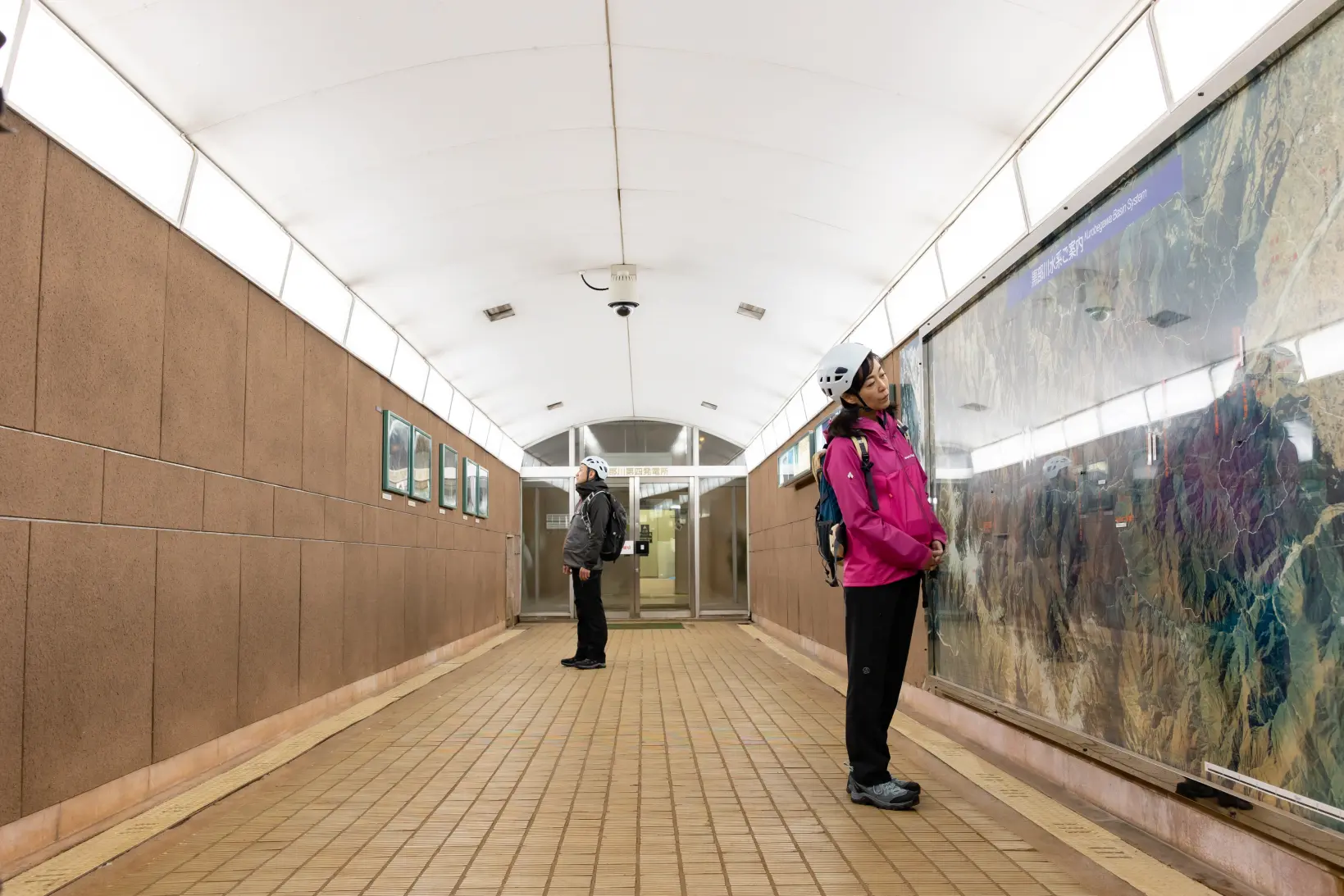
The locomotive eventually reaches the Kurobegawa No. 4 Power Station, commonly known as Kuroyon. Because the site lies within a national park, the facility was built below ground to reduce its impact on the landscape above. Here, visitors can learn how hydroelectric power is generated while standing within infrastructure that usually remains out of sight.
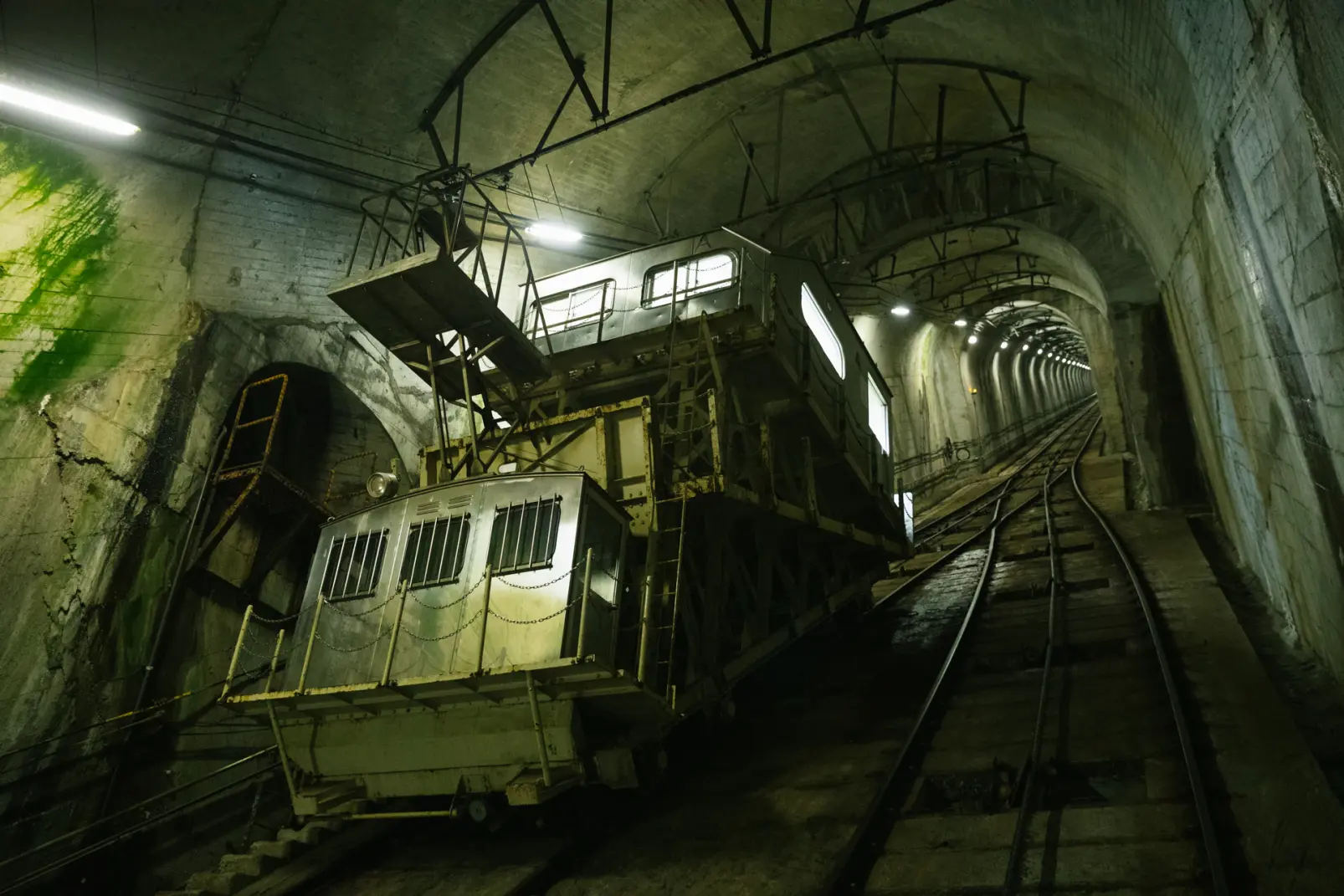
From Kuroyon, the route continues aboard an incline funicular. Its track rises at around 34 degrees, and the angle is obvious as soon as the carriage starts moving. Over roughly 20 minutes, it climbs 815 meters to an upper station, where a dedicated bus takes over for the final section toward Kurobe Dam.
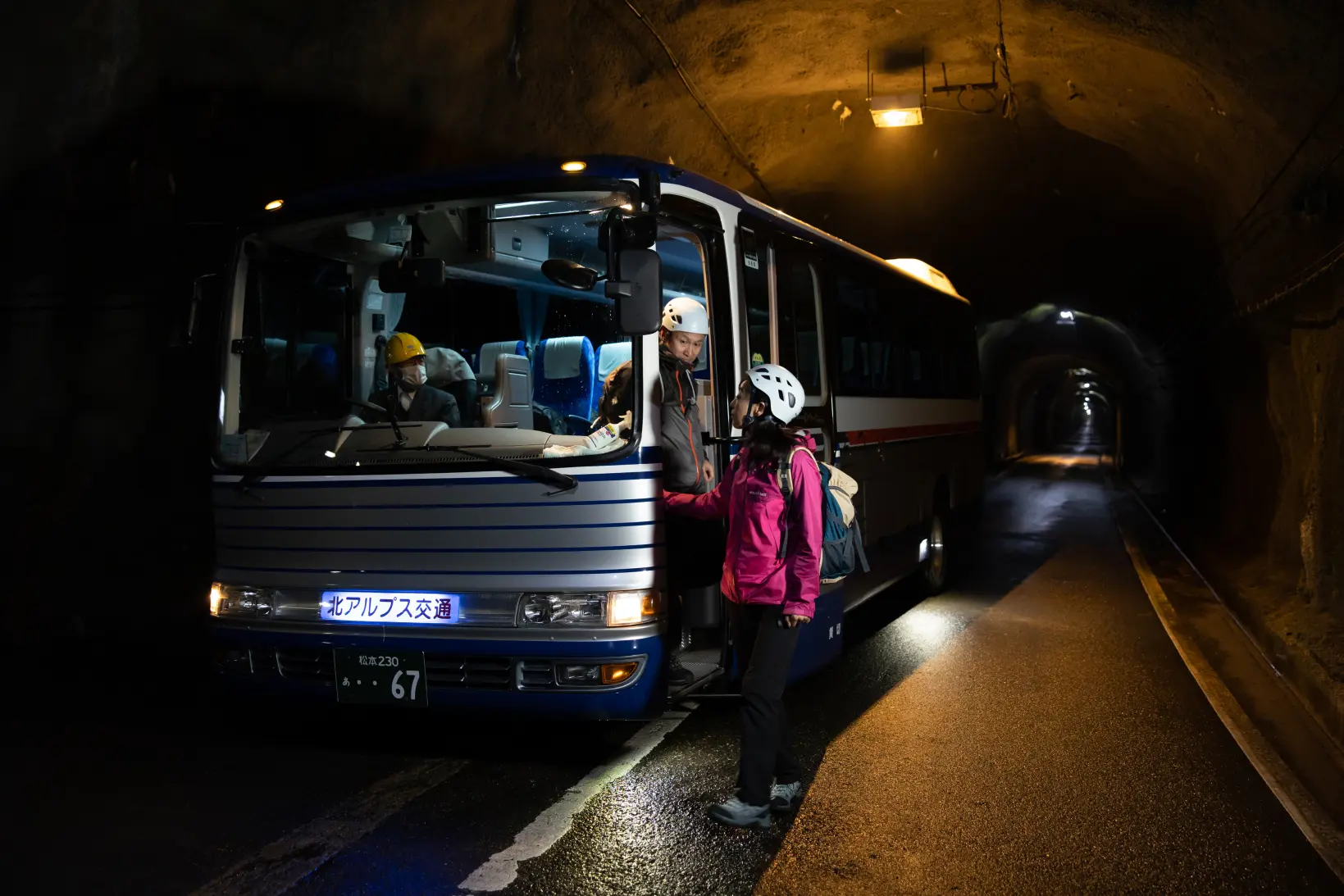
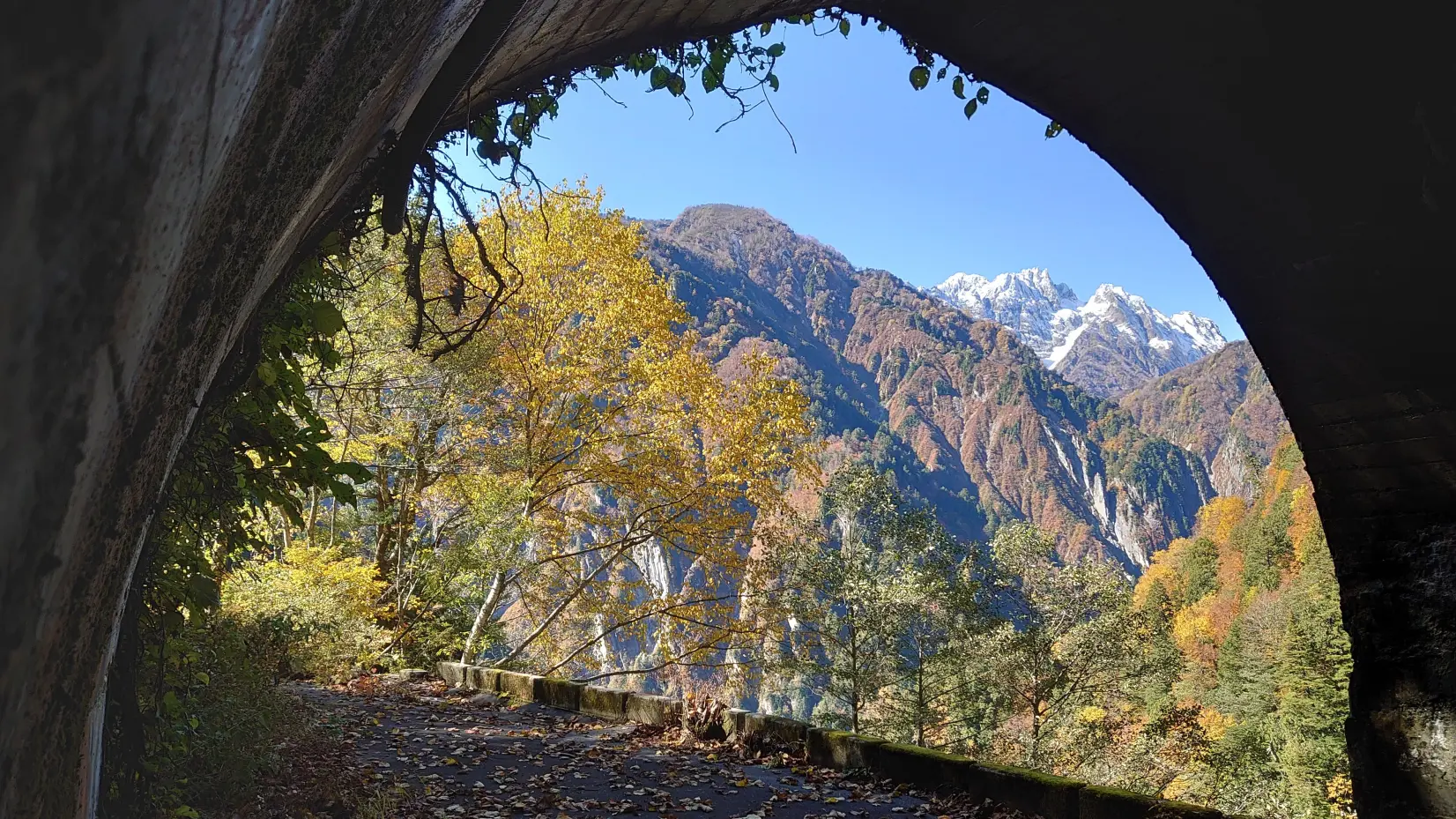
Before reaching the dam, the bus stops at Tarusawa Horizontal Shaft. Stepping out brings a burst of open sky and a view of Ura Tsurugi, or “Back Tsurugi,” the rugged rear face of Mt. Tsurugi. Most visitors see the mountain from the Toyama Plain; this side is generally encountered only by those who venture much deeper into the range.
Emerging at Kurobe Dam
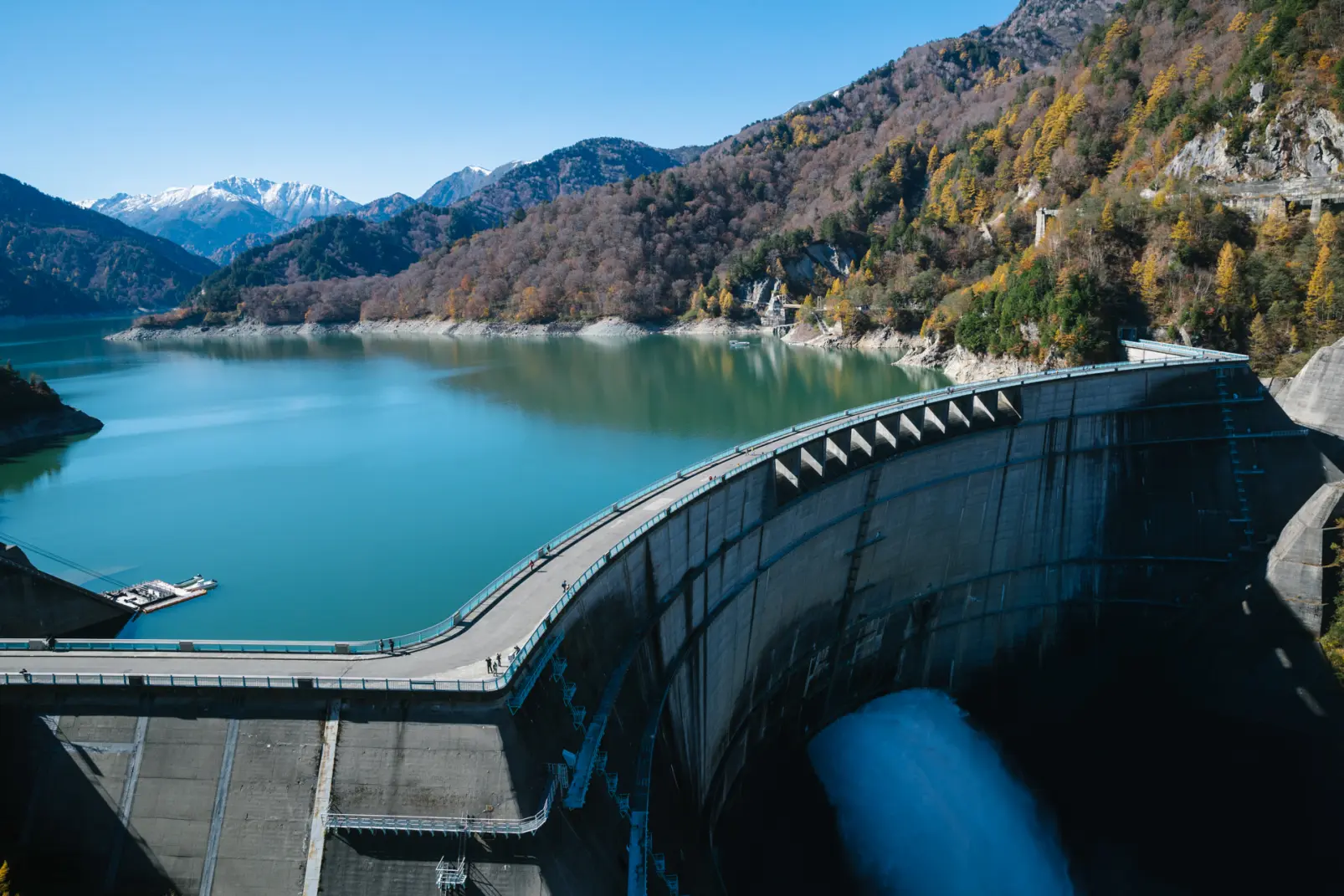
After the confined tunnels and enclosed transport systems, Kurobe Dam arrives on an entirely different scale. At 186 meters high, it is Japan’s tallest dam and a major sight on the Tateyama Kurobe Alpine Route. Reaching it by way of the railways, shafts and power facilities tied to Kurobe’s hydroelectric development places the structure within the wider network built across and beneath these mountains.
From here, travelers can continue along the Alpine Route. In the opposite direction, tours begin at Kurobe Dam before descending toward Keyakidaira and Unazuki. The new connection allows the gorge and dam to be experienced as a single traverse through the Kurobe mountains.
Stay in Unazuki Onsen
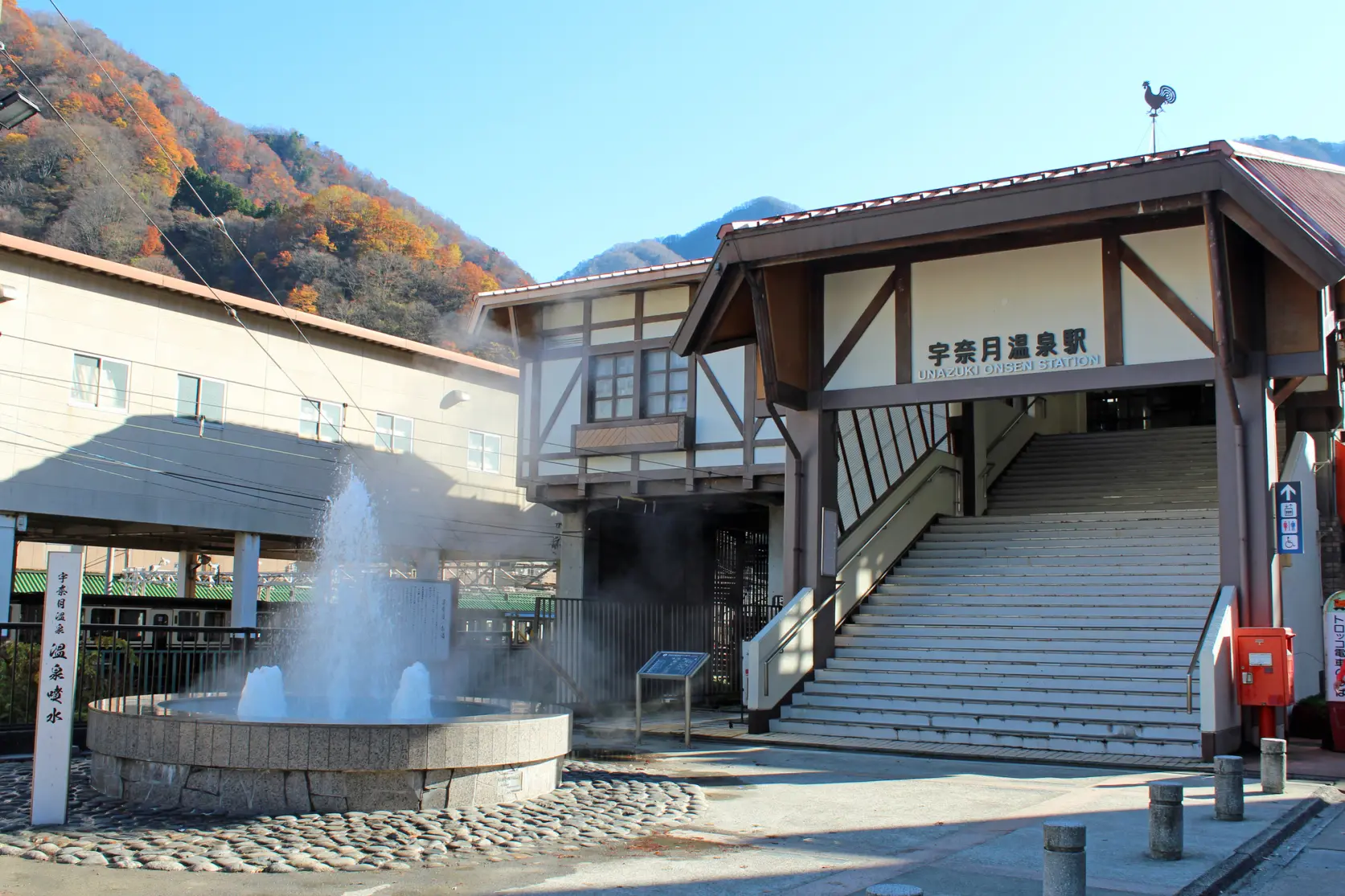
For those starting or finishing on the Toyama side, Unazuki Onsen makes a convenient base. The hot-spring town has stood at the entrance to Kurobe Gorge for more than a century and is also the departure point for the Kurobe Gorge Railway. Its clear, mildly alkaline water is traditionally known as bijin no yu, or “beauty-enhancing water.”
An overnight stay also leaves time for Toyama Bay seafood, regional sake and locally brewed beer. After hours of trains, tunnels, shafts and steep gradients, sinking into a hot spring beside the Kurobe River slows the pace considerably.
How to Join a Canyon Route Tour
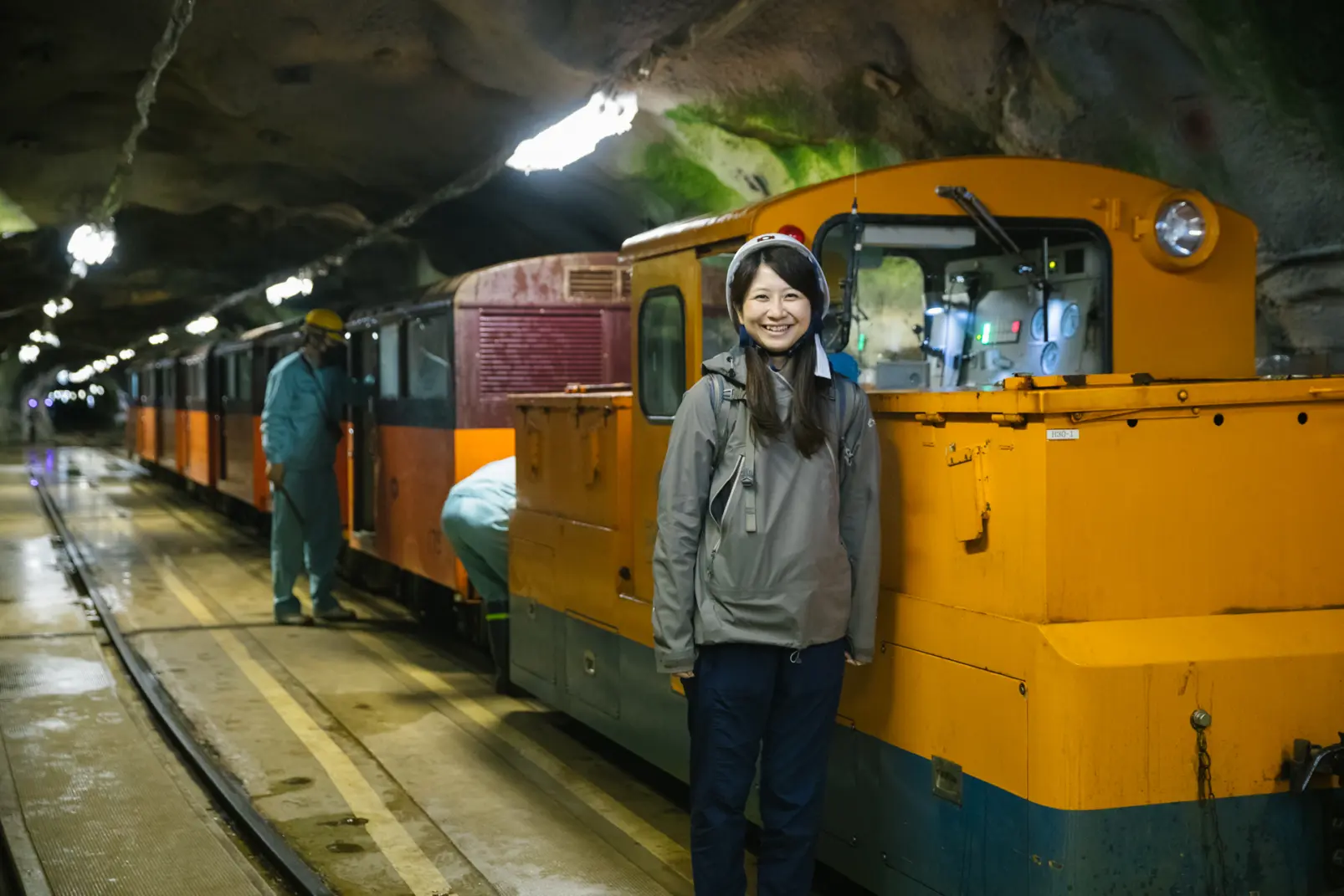
Travel on the Kurobe Unazuki Canyon Route is strictly controlled and cannot be undertaken independently. Visitors must join a guided package tour booked in advance, and walk-in participation is not possible. Travelers must generally be at least 11 years old and able to board the different vehicles and use stairs without assistance. Luggage is restricted to roughly one backpack, while participation may not be suitable for pregnant travelers or those with severe claustrophobia, fear of heights or certain health conditions.
Additional conditions may apply depending on the tour package, so travelers should check the participation requirements and other details in the brochures and other information provided by each travel company when bookings open.
Access for international visitors is still being developed. The 2026 season should be considered unavailable for new inbound bookings, and the start date for the 2027 season has not yet been announced. More full-scale operations for international visitors are expected to begin from 2028.Check the official Canyon Route website for the latest booking information and participation requirements.
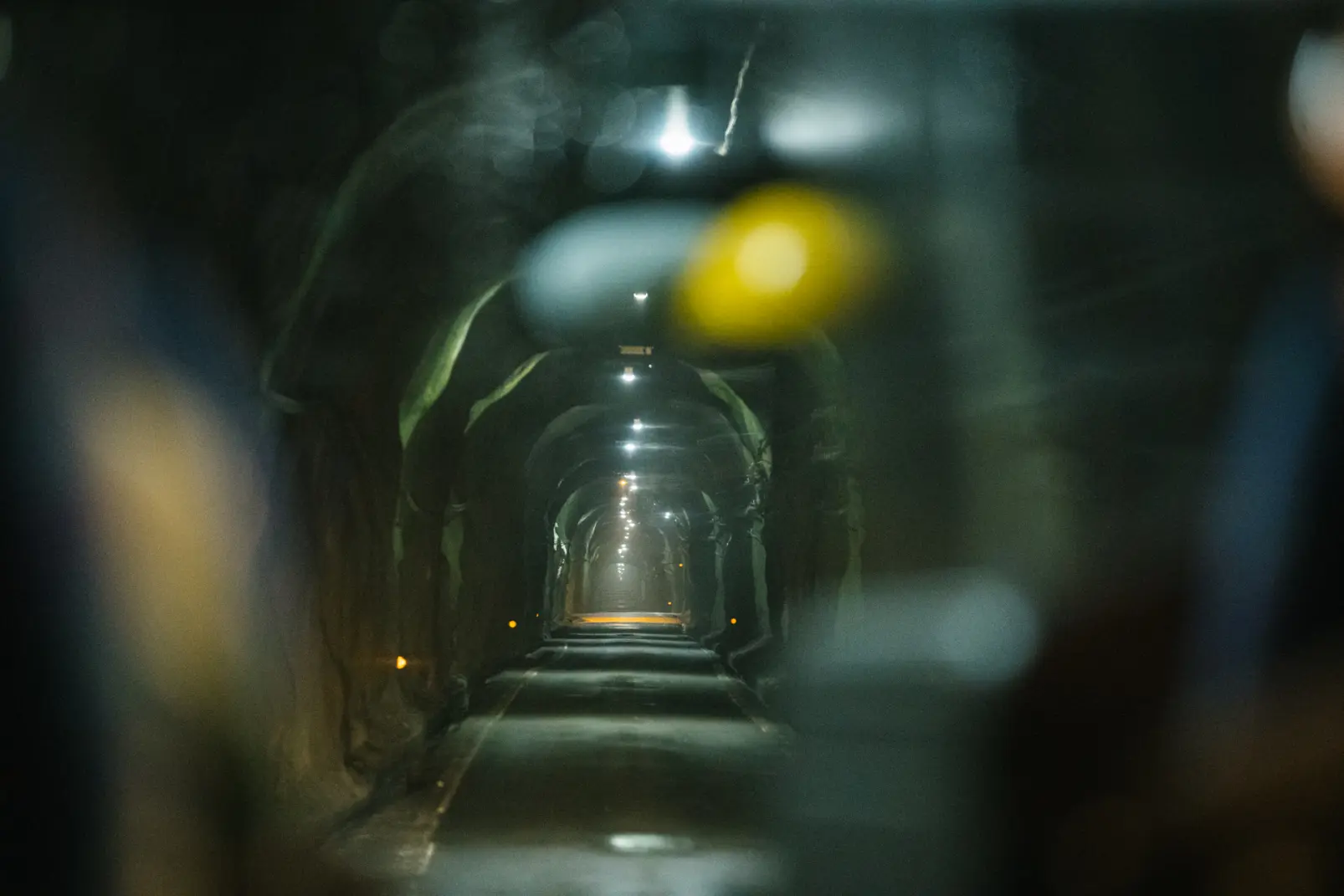
By the end of the route, the journey has shifted repeatedly between two versions of Kurobe: the engineered world inside the mountain and the steep, open landscape outside it. A trolley gives way to a construction train, then an elevator, a battery locomotive, an incline and a bus; warm tunnel air gives way to mountain light; concrete passages open briefly onto waterfalls and high peaks before closing again. Kurobe Dam is the endpoint, but the route there traces the network carved through the gorge over decades, now carrying travelers where workers and engineers once went alone.
You Might Also Like
-
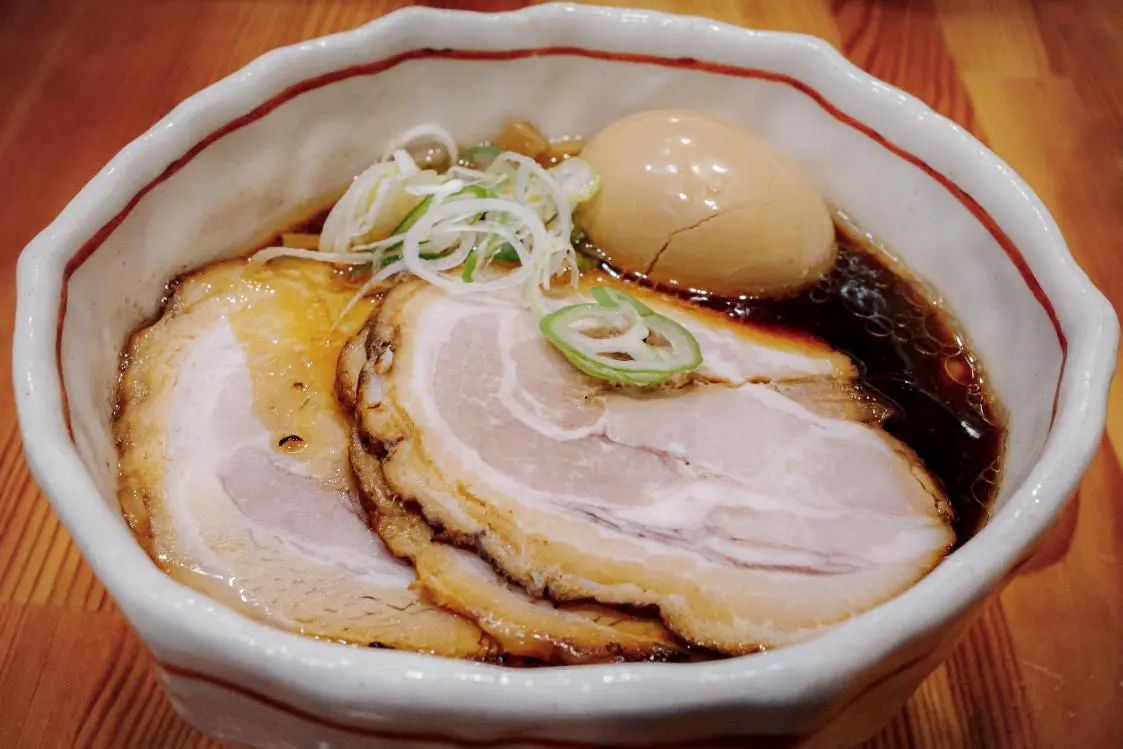
Toyama Black Ramen and Where to Eat It
-
Discover Toyama
-
Visiting Toyama in Winter
-
Tateyama Kurobe Alpine Route: A Spectacle-Studded Journey Across the North Japan Alps
-
"World Heritage Bus," the Tourist Bus That Tours World Heritage Sites
-
Visit Takaoka: The Hometown of One of Japan's Renowned Manga Artists!
-
Kurobe Gorge: Secluded Hot Springs, Scenic Walks, and Spectacular Scenery
-

【Toyama Gourmet Deep Dive】 Tuck into local delicacies in tasty Toyama!
-
Touring “Inami,” the Town of Wood Carving
-
Kurobe Gorge is an Unexplored Region That Can Only be Reached by Trolley Train!
-
A Tour on the JR Takayama Line Limited Express "Hida": Comparing Local Sakes of Toyama and Takayama
-
Toyama, Made Easy! Your Go-To Guide the Moment You Step Off the Train
-
A One-day Walking Tour of Himi
-
11 Must-Try Local Delicacies of Toyama
-
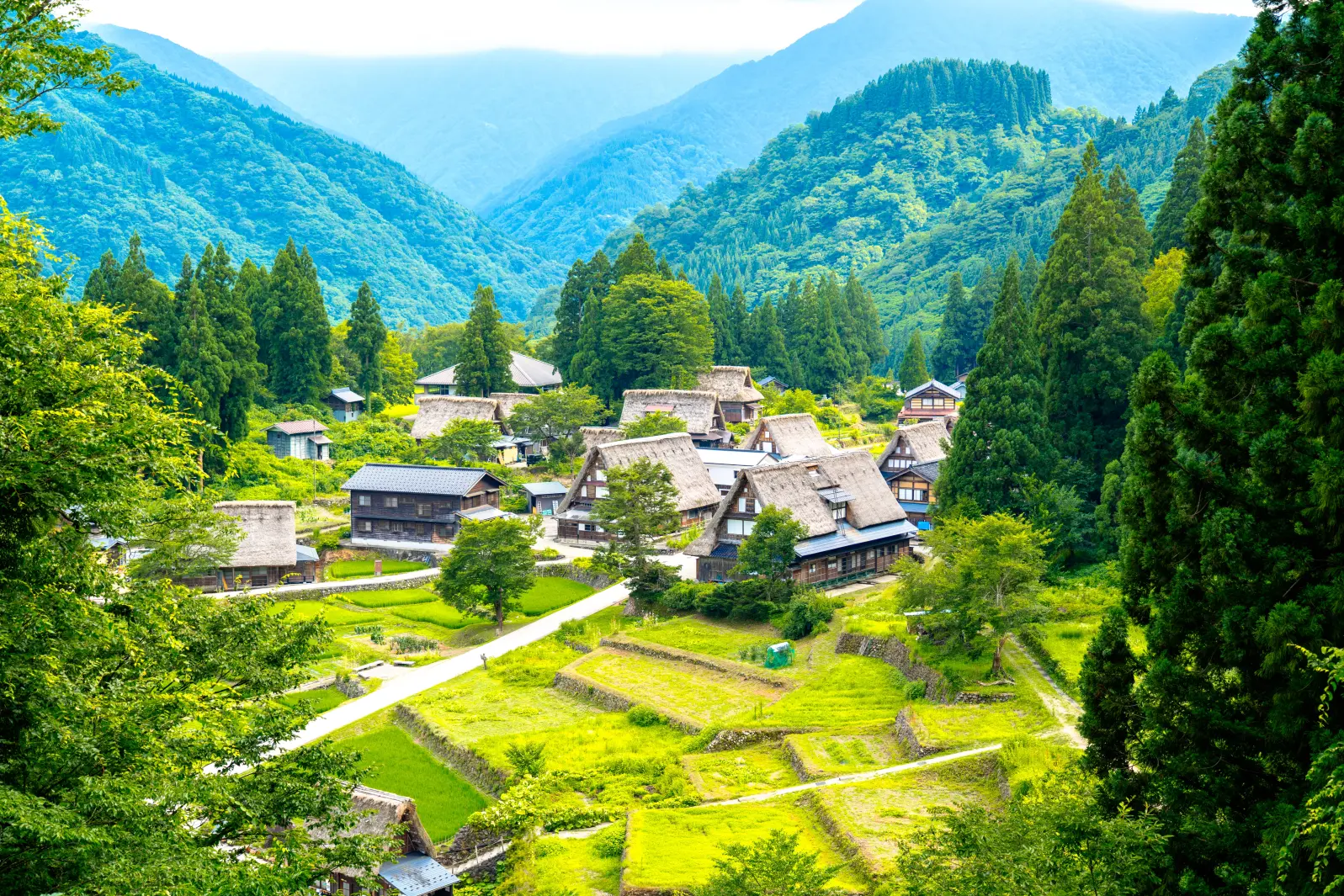
A Two-Day Immersive Stay in Gokayama: Where Culture, Craft, and Cuisine Endure
-
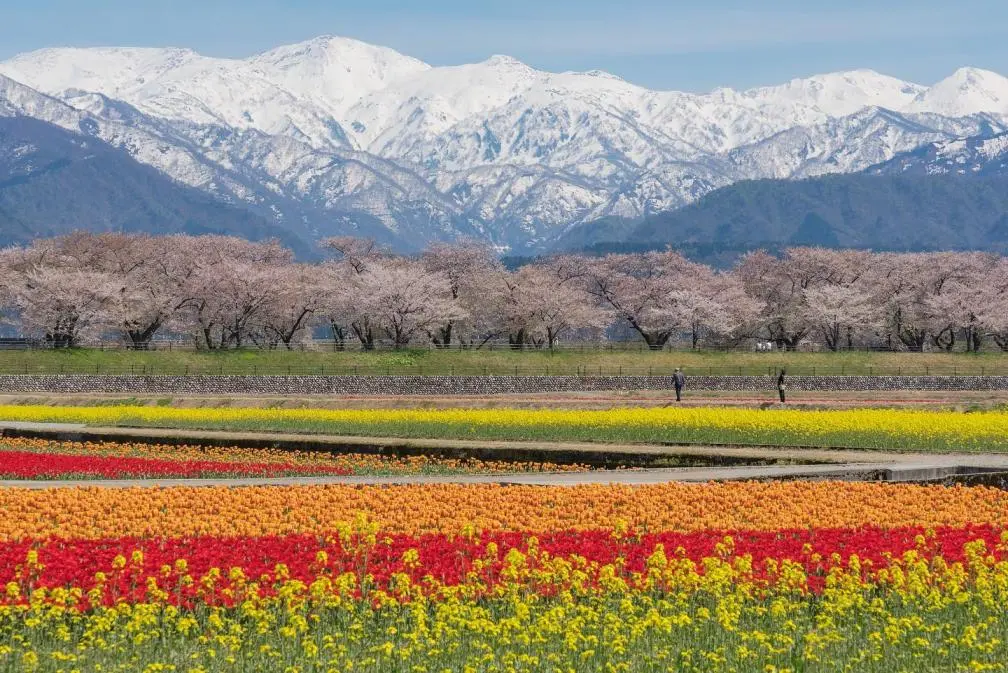
The ultimate bucket list location! Toyama's spectacular scenery in all four seasons
-
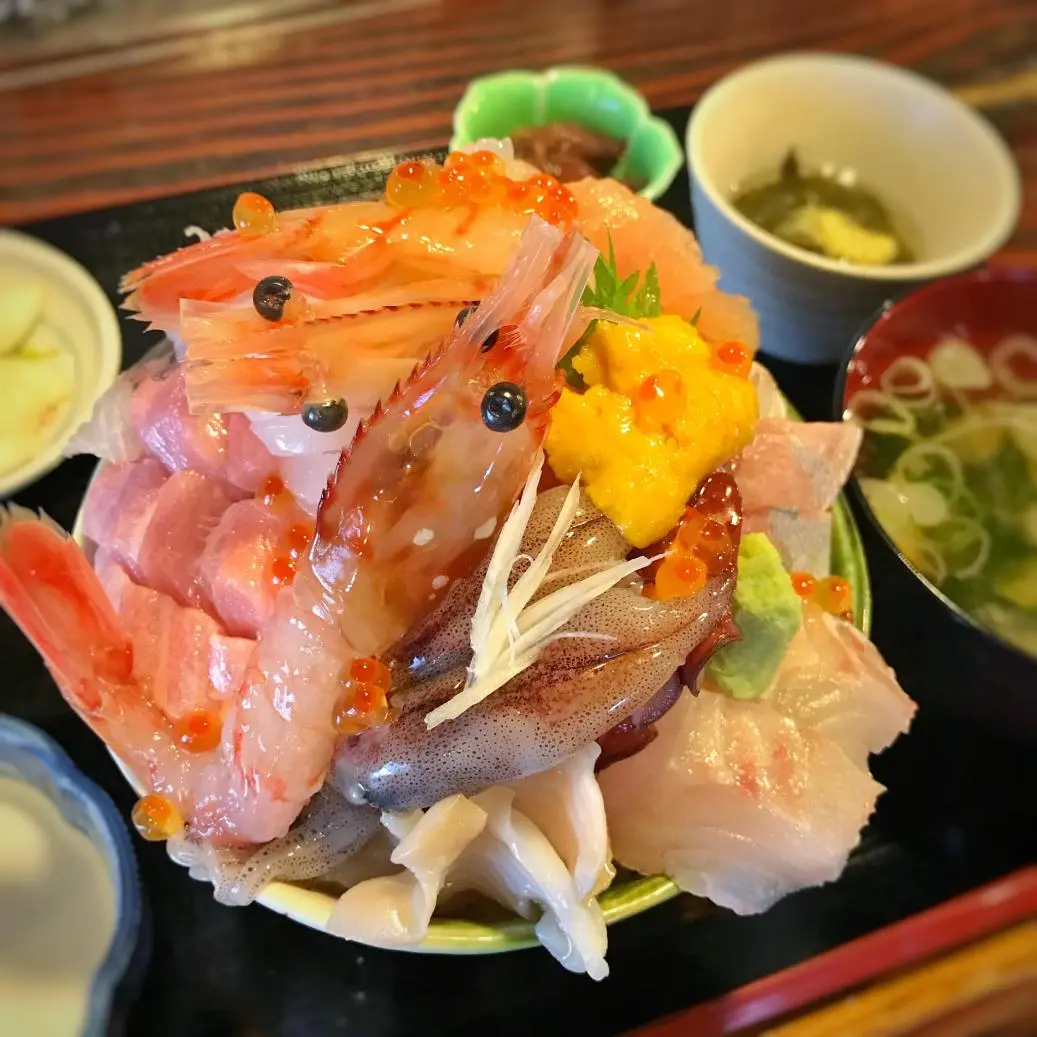
The Best Kaisendon Seafood Bowls Around Toyama Bay
-
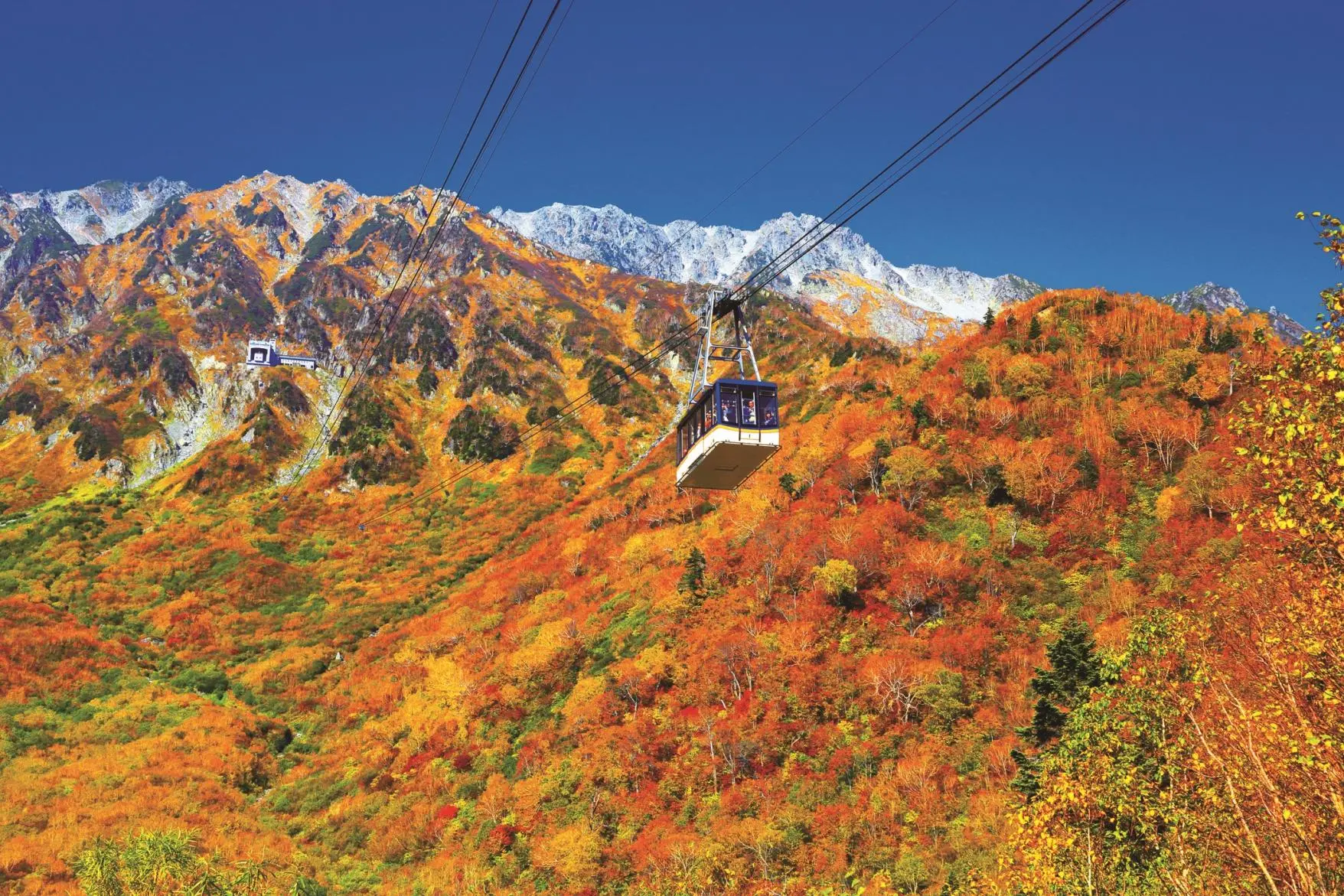
Must-visit: Toyama's Best Autumn Foliage Spots!
-
Discover Toyama: 4 Top Tourist Spots Accessible from Toyama Station
-
Two Days in Inami: Exploring an Iconic Woodworking Town