


Reflections of Toyama: A Journey Through Glass and Light
Morning light drifts through Toyama’s winter streets, scattering soft reflections across wood, stone, and glass. The city often feels as though it has been built in quiet conversation with light, shaped by it and carried through its architecture and craft traditions. In Toyama, light doesn’t simply illuminate—it shapes, refracts, and lingers, much like the glass that has quietly defined the region’s artistry for centuries.
Cradled between the Sea of Japan and the Tateyama Mountain Range, Toyama is known for its clarity—of air, of water, of craft. Its connection to glass stretches back over 300 years, when Edo-period medicine merchants used hand-blown bottles to store their remedies. Those early vessels, prized for their precision and purity, laid the foundation for a city that continues to turn transparency into art. Today, from contemporary museums and cafés to working studios and international ateliers, Toyama’s glass culture reflects both craftsmanship and curiosity—a dialogue between heritage and reinvention.
Architecture in Light: Toyama Glass Art Museum
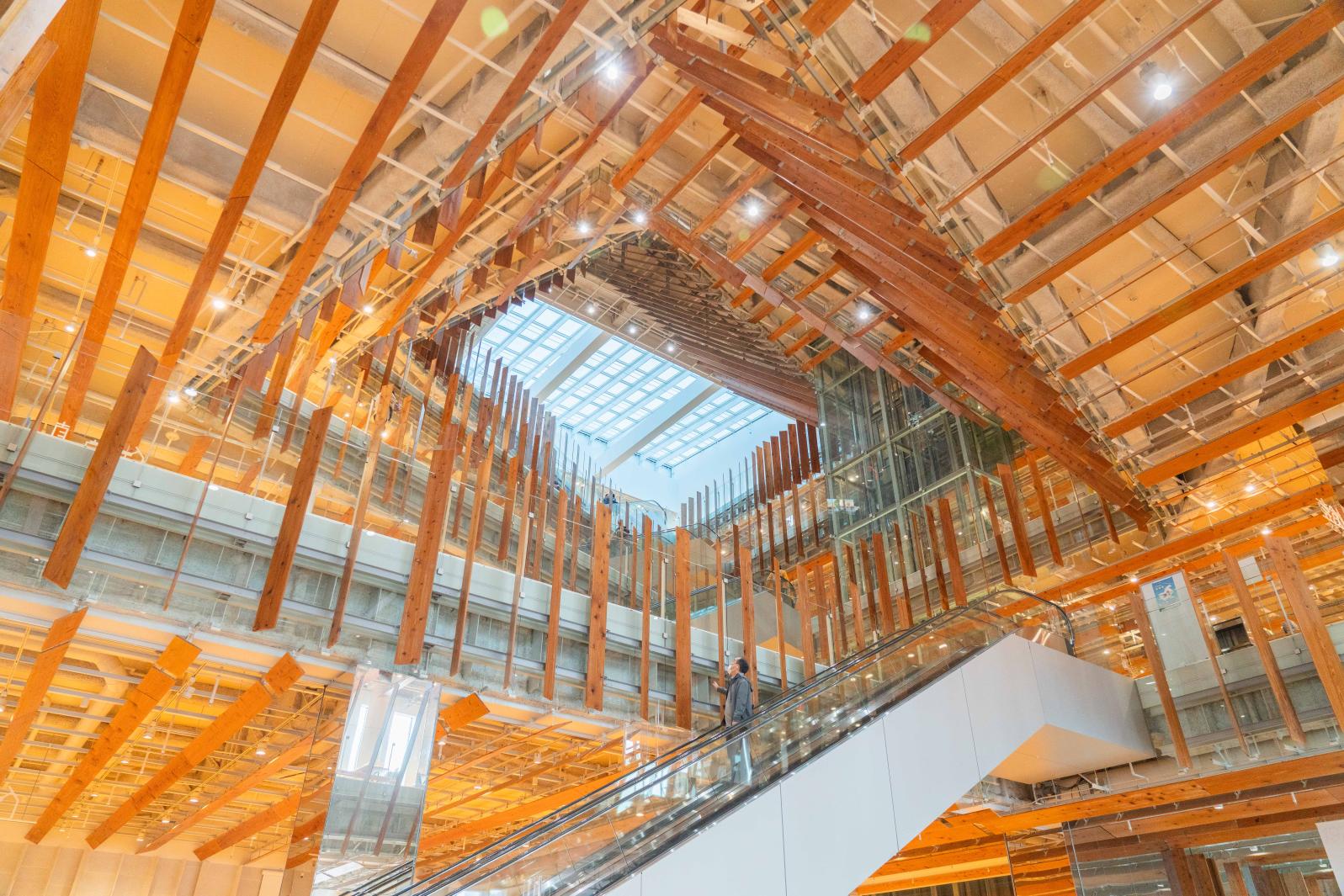
If any place captures Toyama’s modern identity, it’s the Toyama Glass Art Museum, designed by world-renowned architect Kengo Kuma. His signature blend of wood and glass creates a soaring, light-filled interior that feels both grand and human in scale. As the sun shifts, patterns of shadow ripple across cedar panels, transforming the building itself into a living installation.
The museum houses more than 600 works by artists from Japan and abroad. On the sixth floor, the Glass Art Garden glows like an underwater forest—towering artworks in deep blues and greens that seem to breathe with the light. Exhibitions on the lower floors explore the boundaries of contemporary glass, from delicate vessels to experimental forms that challenge perception.
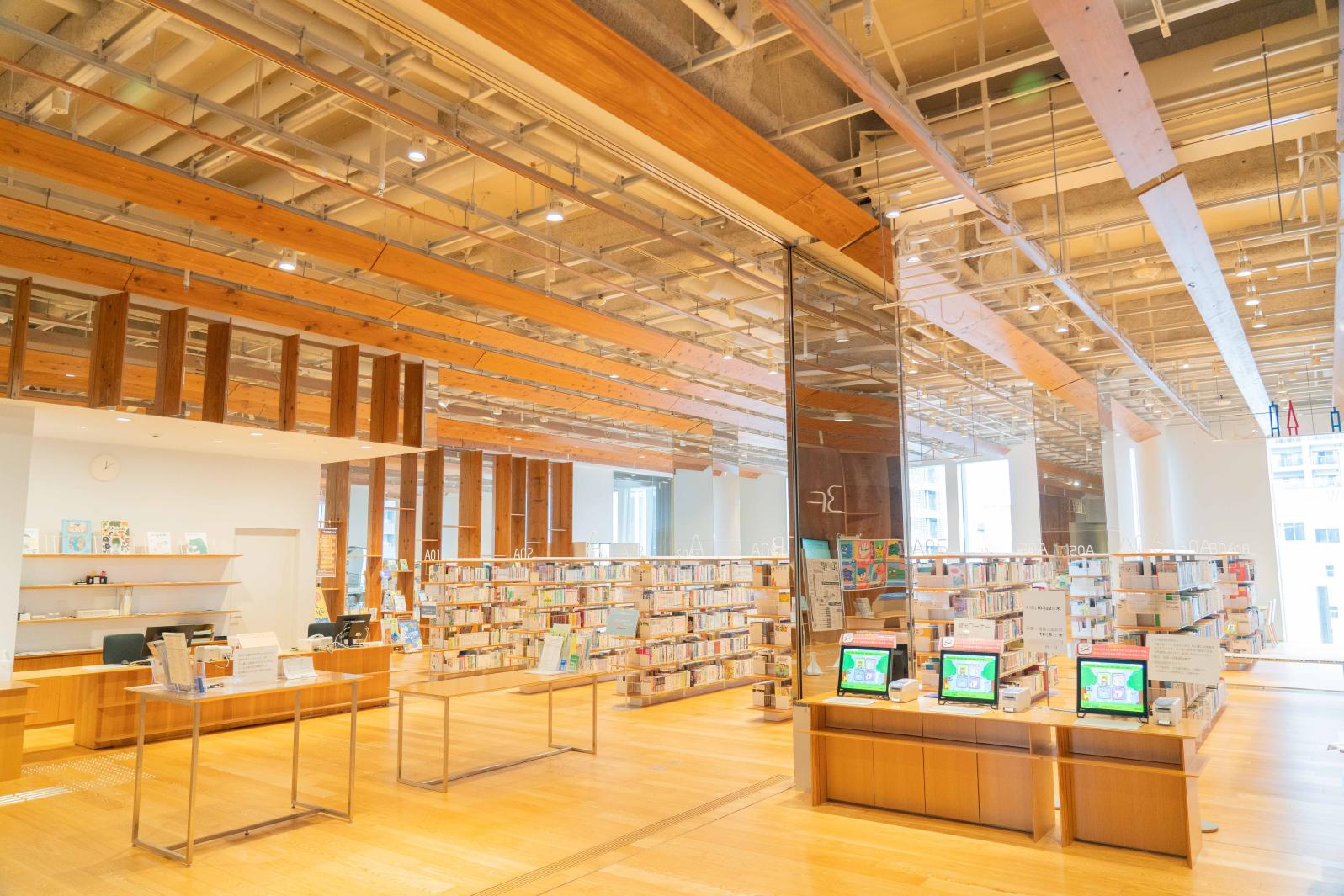
When The New York Times named Toyama one of its “52 Places to Go in 2025,” it called the museum a “cathedral of wood and light.” Yet for locals, it’s more than a destination. Set within the Toyama Kirari complex, which also houses the city’s main library, it’s a place where art blends into daily rhythm—where people read, meet, and quietly absorb the shifting glow that defines the city itself.
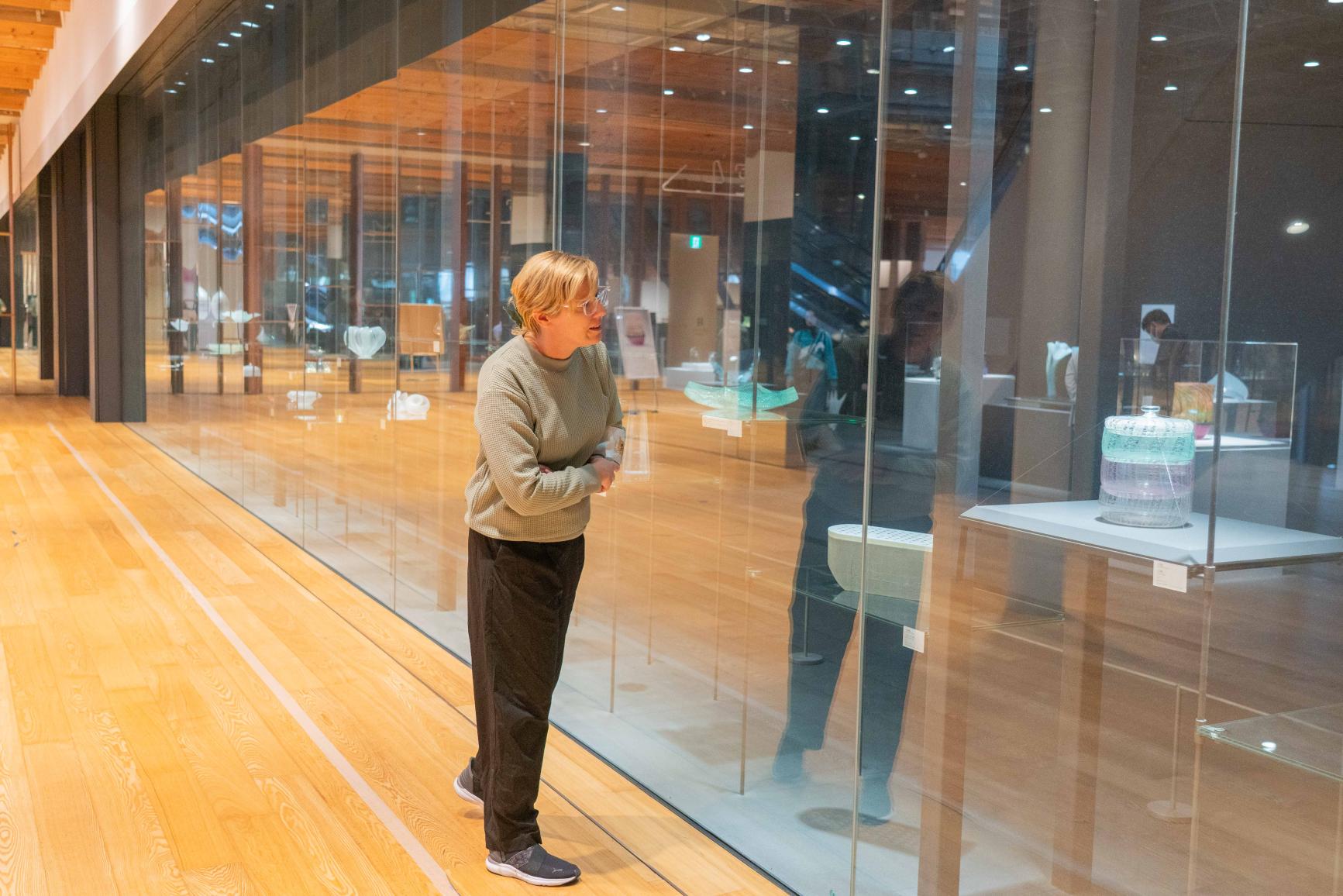
Toyama Glass Art Museum
Address: 5-1 Nishicho, Toyama City, Toyama Prefecture
Hours: 9:30 a.m.–6:00 p.m
Closed: 1st & 3rd Wednesdays, New Year holidays
Admission: ¥200 (special exhibitions vary)
Access: 2 min walk from Grand Plaza-mae Station (Toyama City Tram)
https://toyama-glass-art-museum.jp/en/
A Pause Between Light and Flavor: Café Kouma Kirari
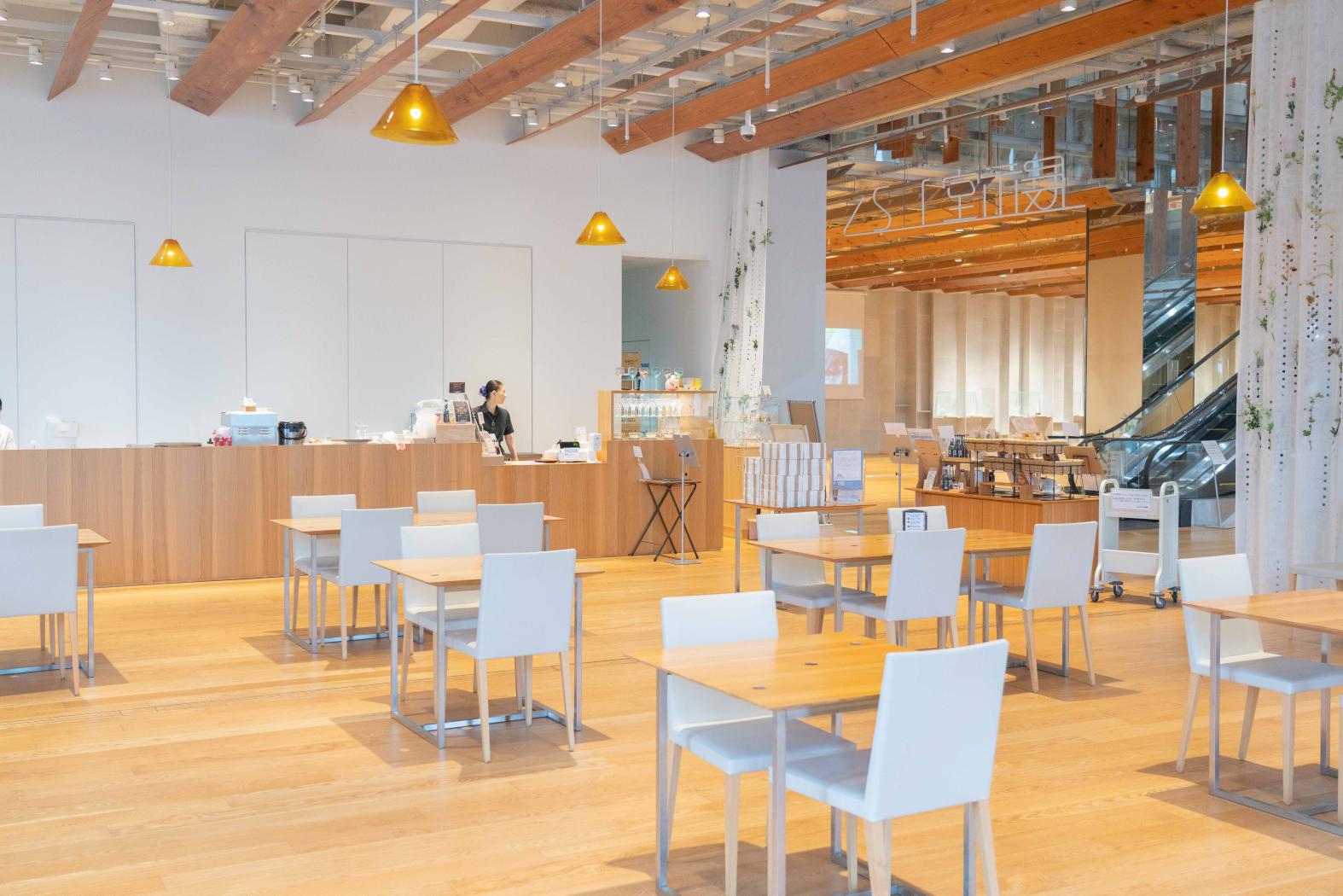
One floor below, Café Kouma Kirari offers a different kind of reflection. Nestled within the same building, this airy café invites guests to experience glass not as display, but as part of daily pleasure. Every drink arrives in a vessel chosen for its tone and weight—a smooth, handmade glass for a soda float, a porcelain cup for Viennese coffee topped with whipped cream.
The concept, “connected through glass,” turns each sip into a quiet act of observation. Light filters through transparent cups, shifting color with the drink inside. The effect is simple yet deliberate, echoing the museum’s idea that beauty lives in everyday use.
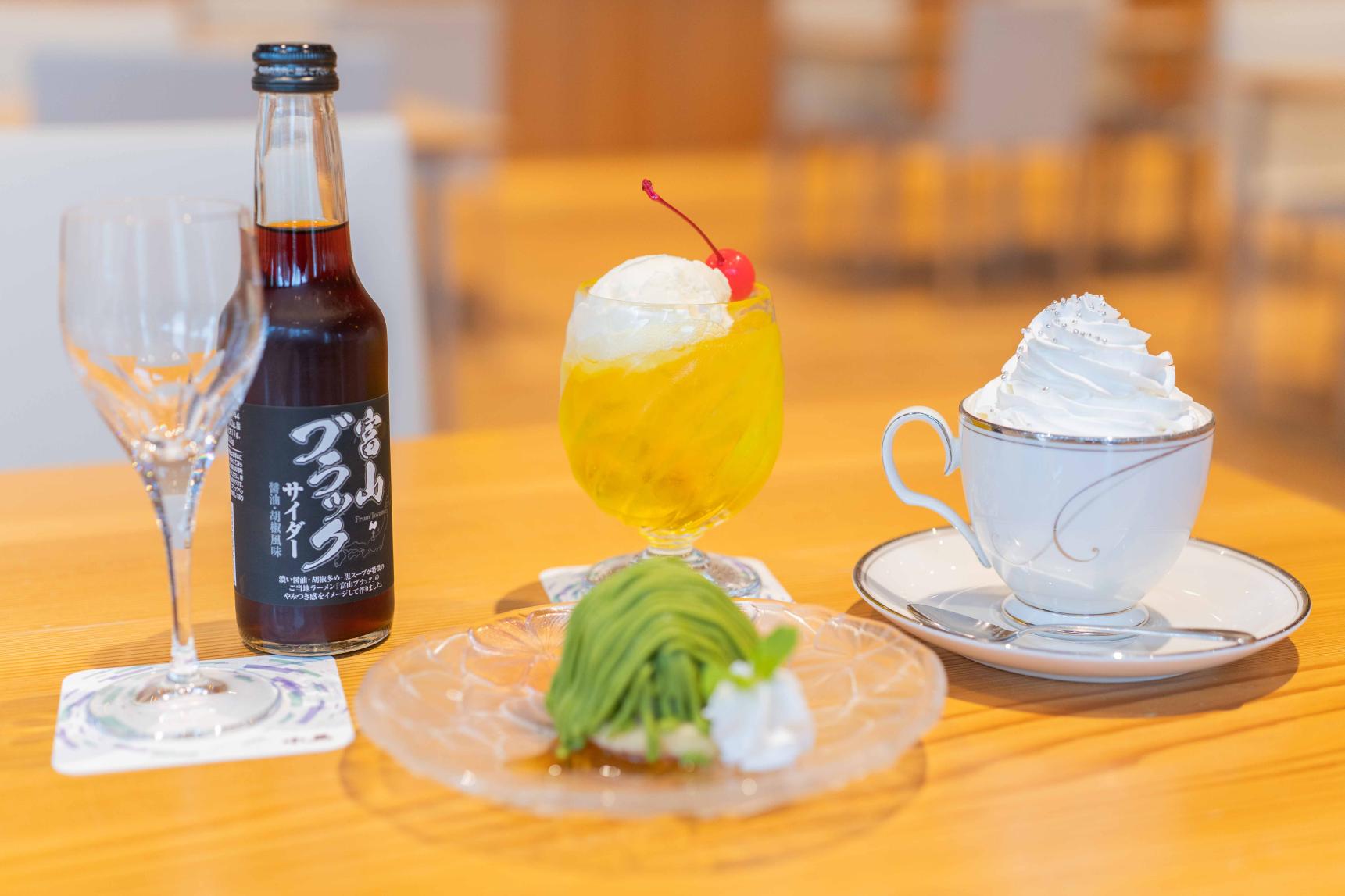
From the window-facing counter, trams glide past as visitors linger over matcha mont blanc or Toyama Black Cider, a local curiosity flavored with soy and pepper to evoke the city’s famous ramen. Around midday, sunlight hits just right—catching on the glassware, the sugar, the sheen of a spoon—and the whole space seems to glow.
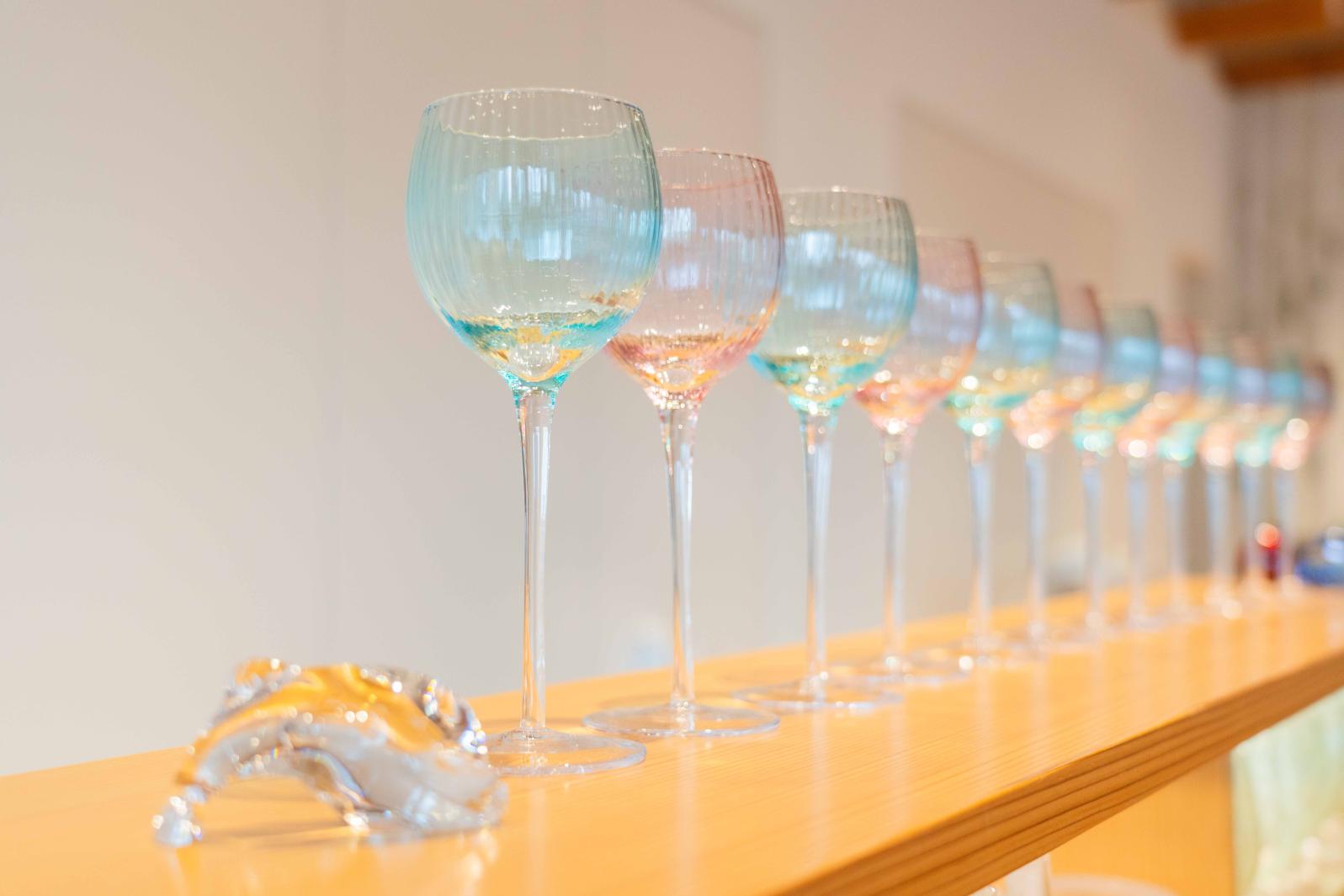
Café Kouma Kirari
Address: 5-1 Nishicho, Toyama City (inside Toyama Glass Art Museum)
Hours: 10:00 a.m.–6:00 p.m. (L.O. 5:30 p.m.)
Closed: Wednesdays, New Year holidays
Access: 2 min walk from Grand Plaza-mae Station (Toyama City Tram)
Instagram:https://www.instagram.com/cafe.koumakirari/
Crafting Memories: Toyama Glass Studio
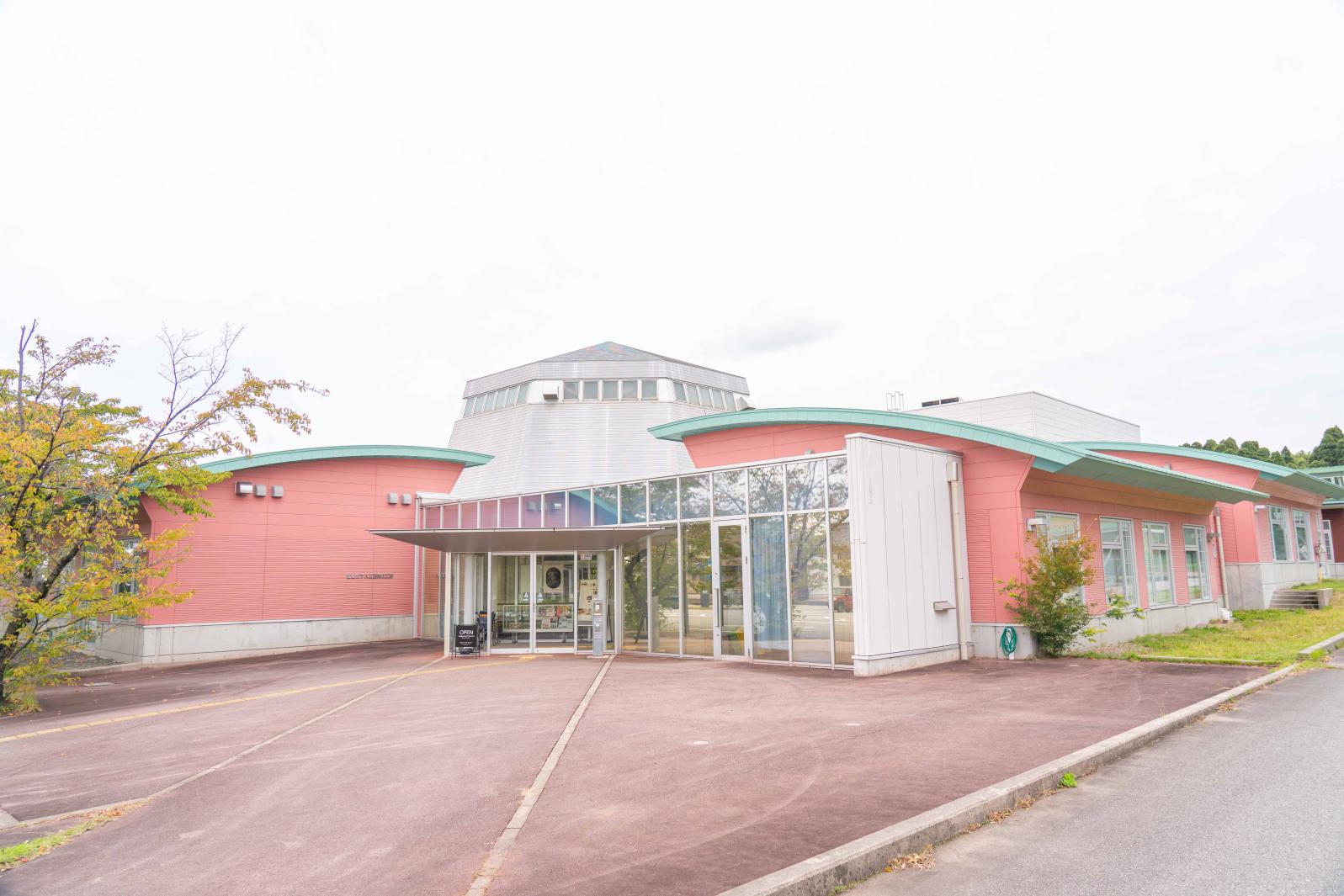
Twenty minutes west of the city center, the Toyama Glass Studio hums with the rhythm of creation. Visitors step into the heat and sound of a working atelier, where artisans move in sync with the molten glow of their material. Pipes turn, furnaces flare, and the shimmer of heat blurs the line between substance and air.
Here, glass is made to be touched. Under an artisan’s steady guidance, you can blow your own tumbler or vase, shaping it as the glass cools and resists, giving just enough to hold a curve. The experience is less about perfection than presence—a collaboration with a medium that never truly stands still.
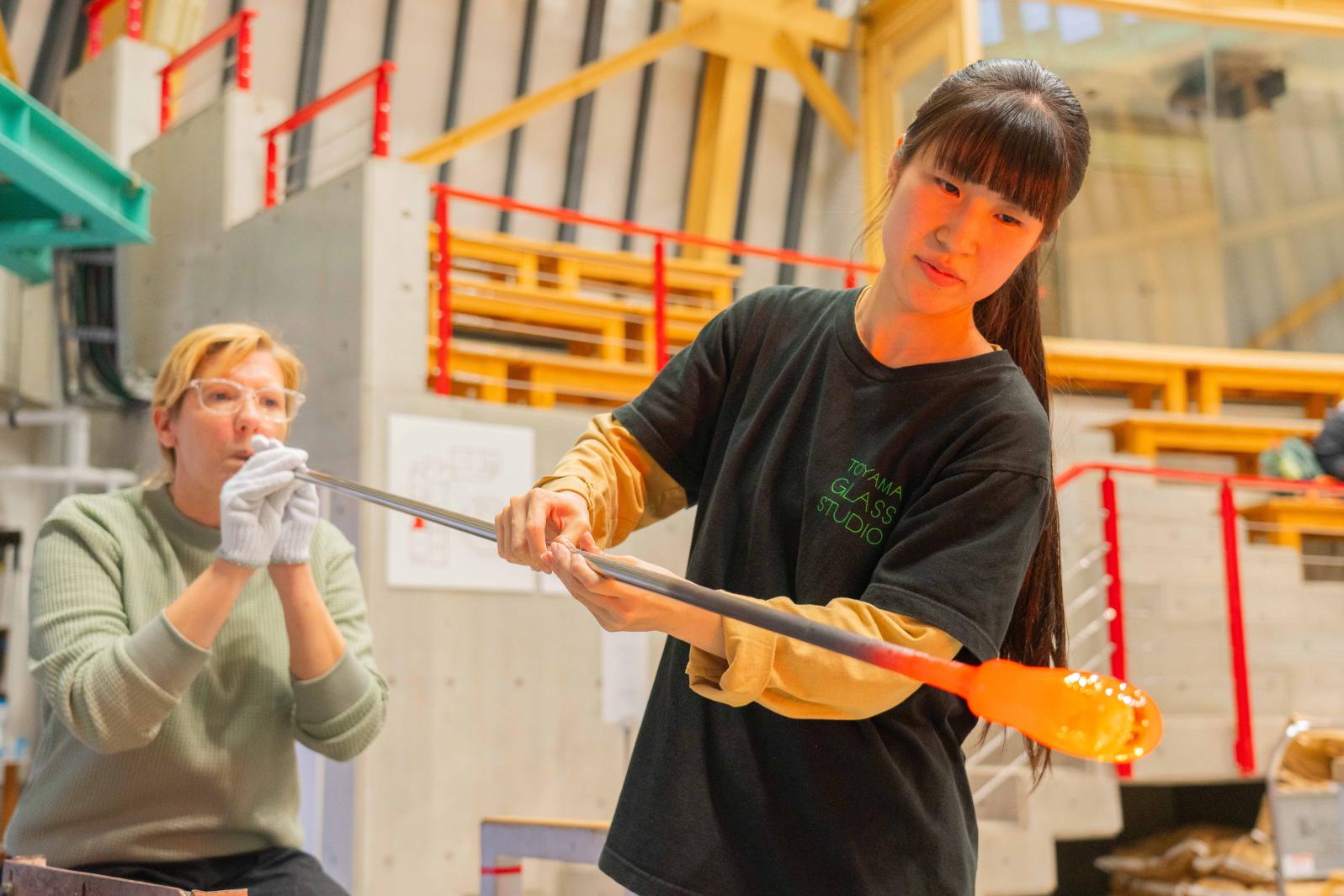
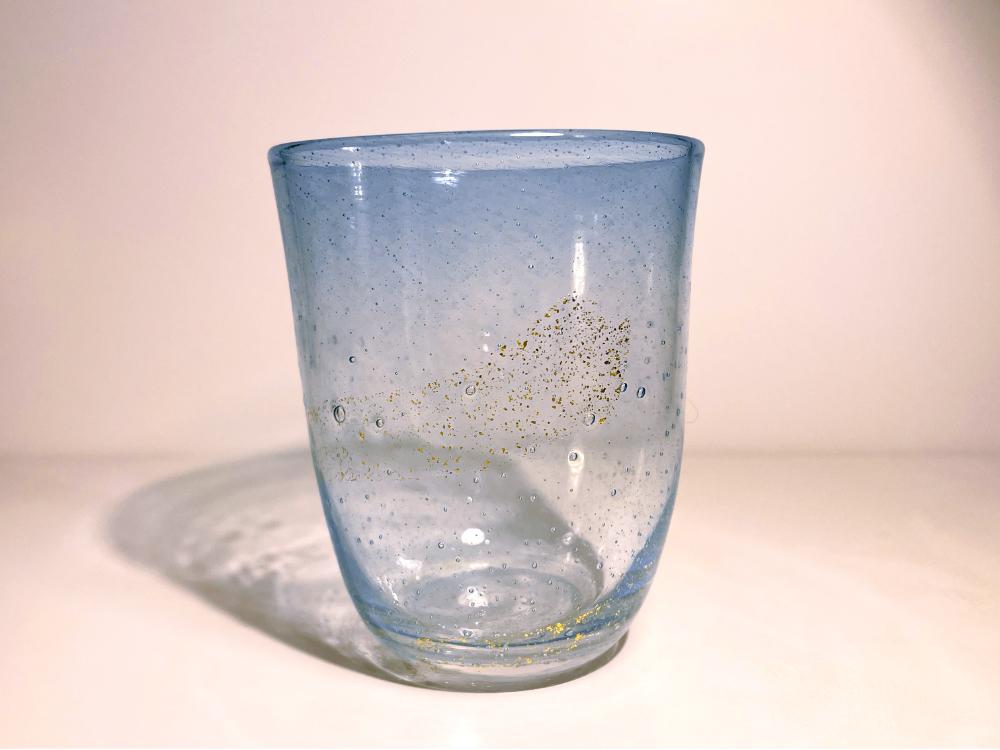
The finished piece, available a week later, feels alive with that moment of movement, that shared breath. Even after it hardens, it carries the imprint of its making: a subtle wave, a tiny bubble, a trace of the furnace’s heat. In Toyama, it’s these imperfections that give glass its warmth, a reminder that light itself is never static.
Toyama Glass Studio (Shop, café, and more)
Address: 152 Furusawa, Toyama City, Toyama Prefecture
Toyama Glass Studio – Second Workshop (Hands-on experiences)
Address: 85 Nishikanaya, Toyama City, Toyama Prefecture
Hours: 9:00 a.m.–5:00 p.m.
Closed: Dec 28–Jan 4
Admission: Free (separate fee required for hands-on experiences)
Access: 20 min drive from JR Toyama Station / 5 min walk from Family Park-mae bus stop
https://toyama-garasukobo.jp/
*Finished works will be ready for pickup approximately one week after production.
*Pickup options include in-person collection at the studio or paid shipping.
*Overseas shipping is available, but conditions vary by region — please inquire in advance.
*If you are staying in Japan, shipping to your accommodation is also possible.
The Beauty of Use: Peter Ivy’s World of Glass
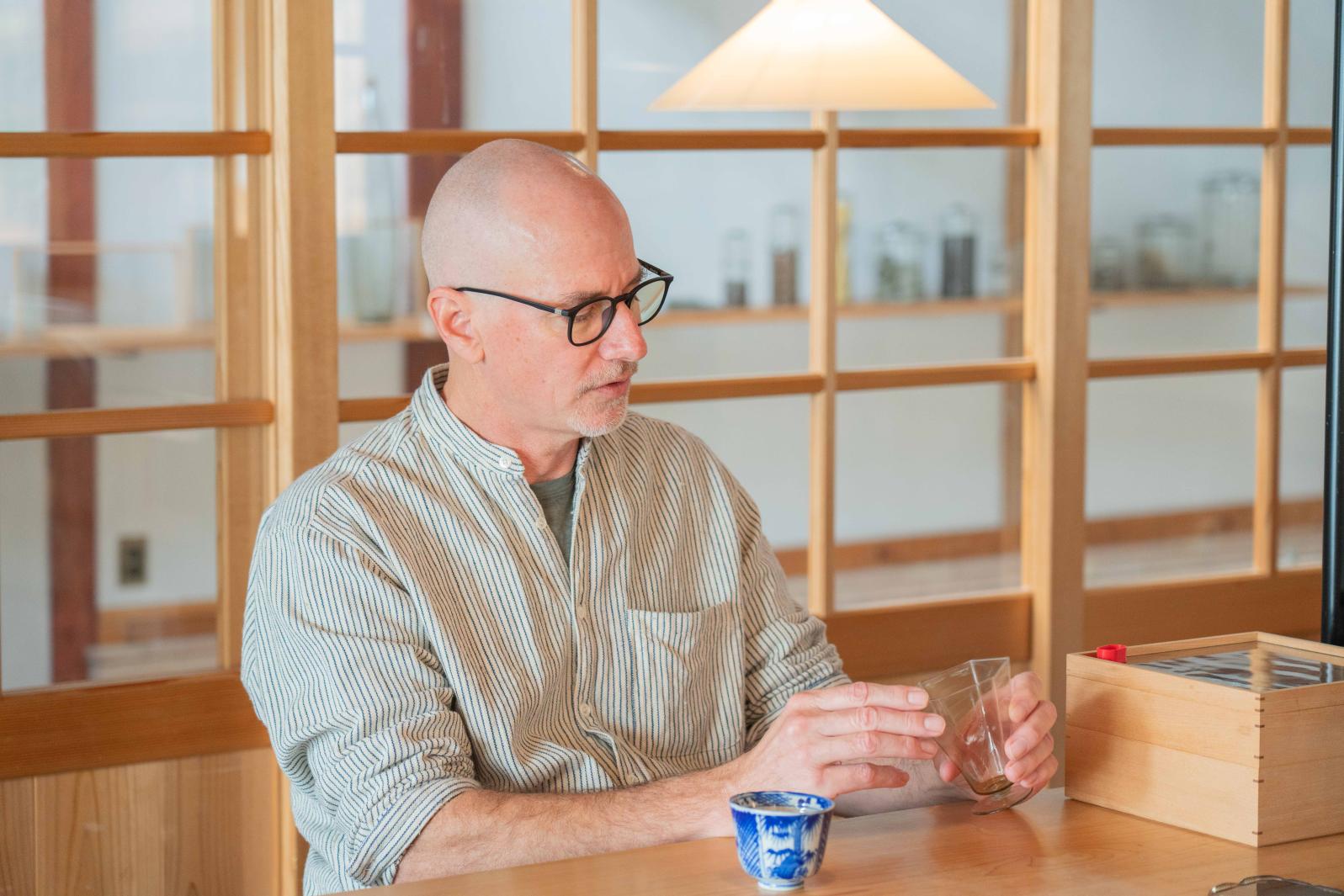
Few artists embody Toyama’s quiet precision like Peter Ivy. Born in the United States and now based in Toyama for nearly 15 years, Ivy is known worldwide for his minimalist, softly tinted glassware—vessels that reveal more the longer you live with them. His work blurs the line between design and daily life, capturing what he calls “the beauty of use.”
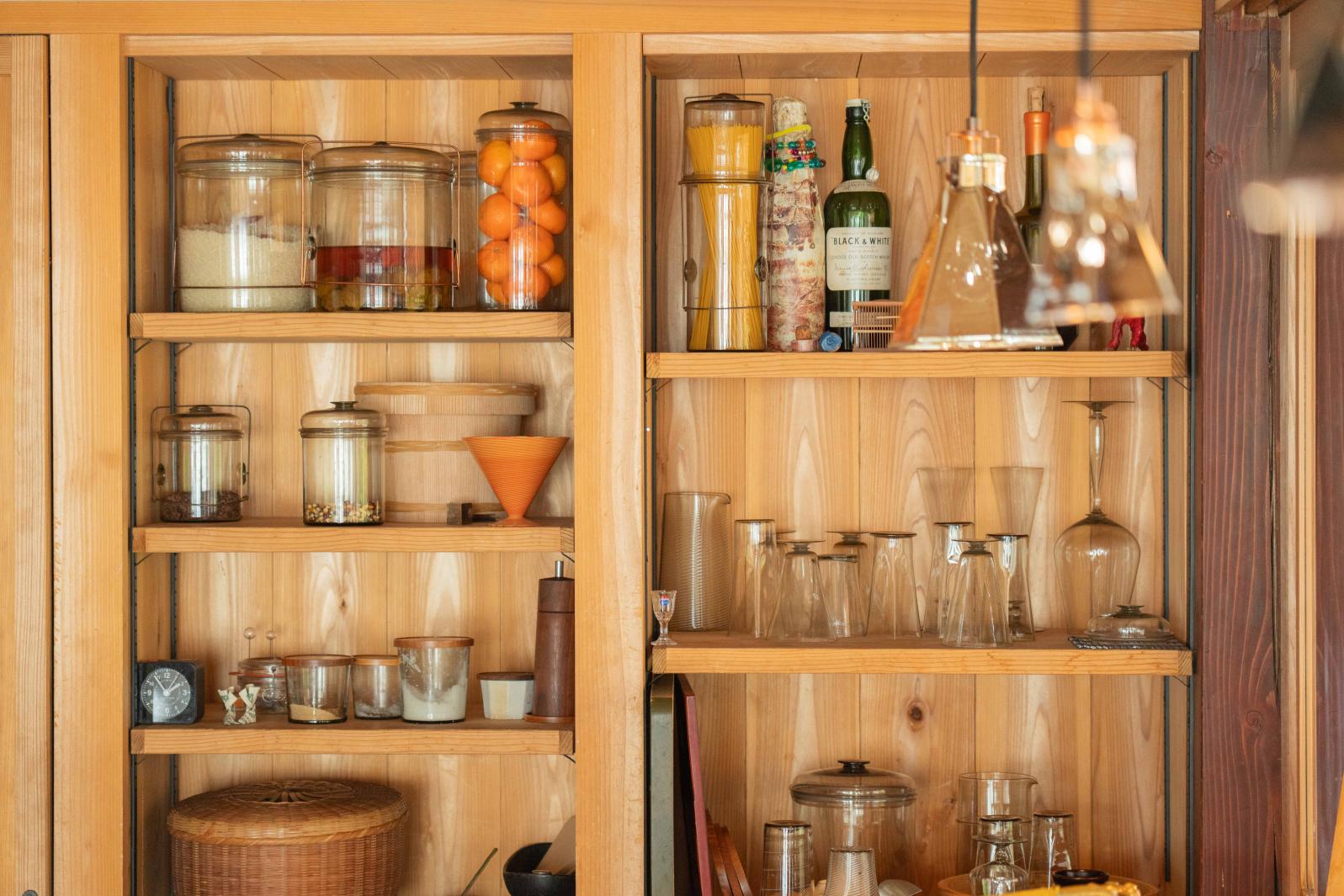
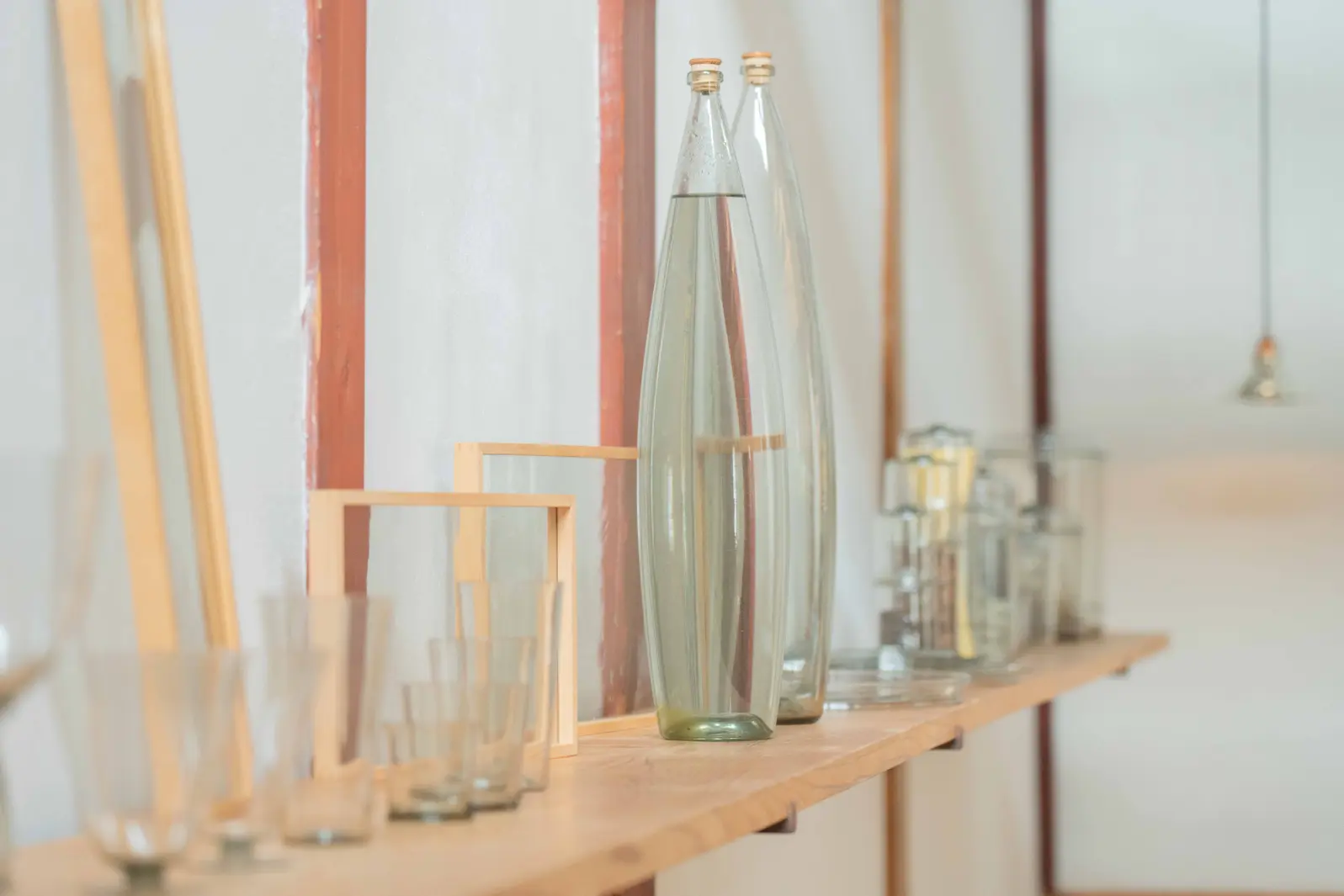
“Glass,” he says, “is a material that almost isn’t there. Its beauty is in its disappearance.” His studio—a series of converted buildings surrounded by farmland and the sound of running water—reflects that same philosophy. Nothing here feels finished; every space, every object, is part of an ongoing experiment. Shelves hold both refined pieces and small “beautiful accidents,” as he calls them—objects born from slumped heat or unintended curves that later inspire new designs.
Toyama, he explains, shaped his thinking. “Here, people still make things with their hands—food, fences, rice. That changed how I thought about making.” The seasons, too, influence his rhythm: summers are humid and difficult for large-scale work, while winters, he says, are “the best season for glassblowing—your own sunshine in front of you.”
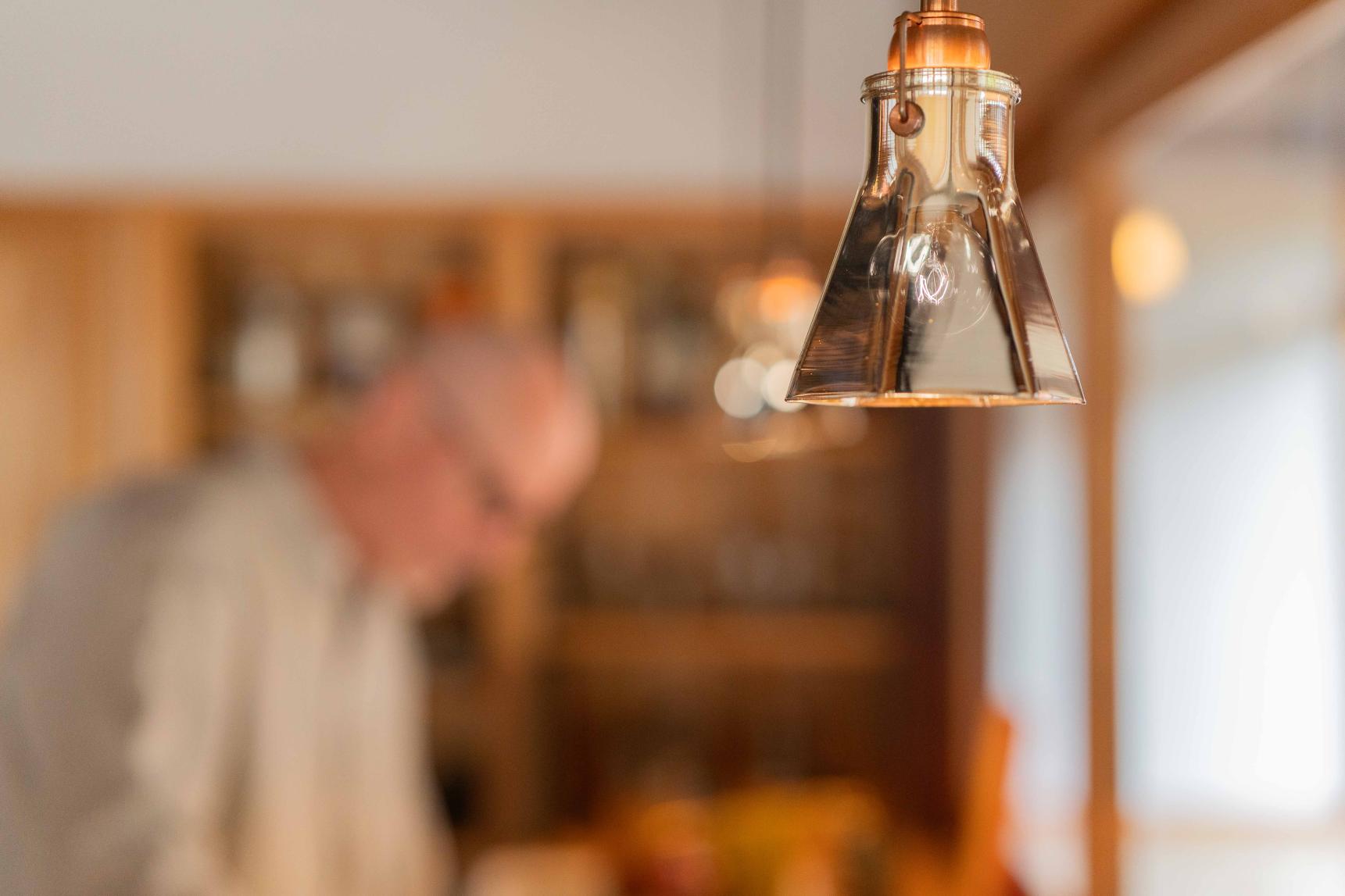
In his studio, glassblowing is a team sport. Ivy and his apprentices work in harmony, each motion dependent on the next. It’s a choreography of breath, heat, and trust—one that connects generations of makers. “My work isn’t really mine,” he says. “It’s ours.”
That humility, like the clarity of his vessels, speaks to the essence of Toyama itself: quiet mastery shaped by patience and care.
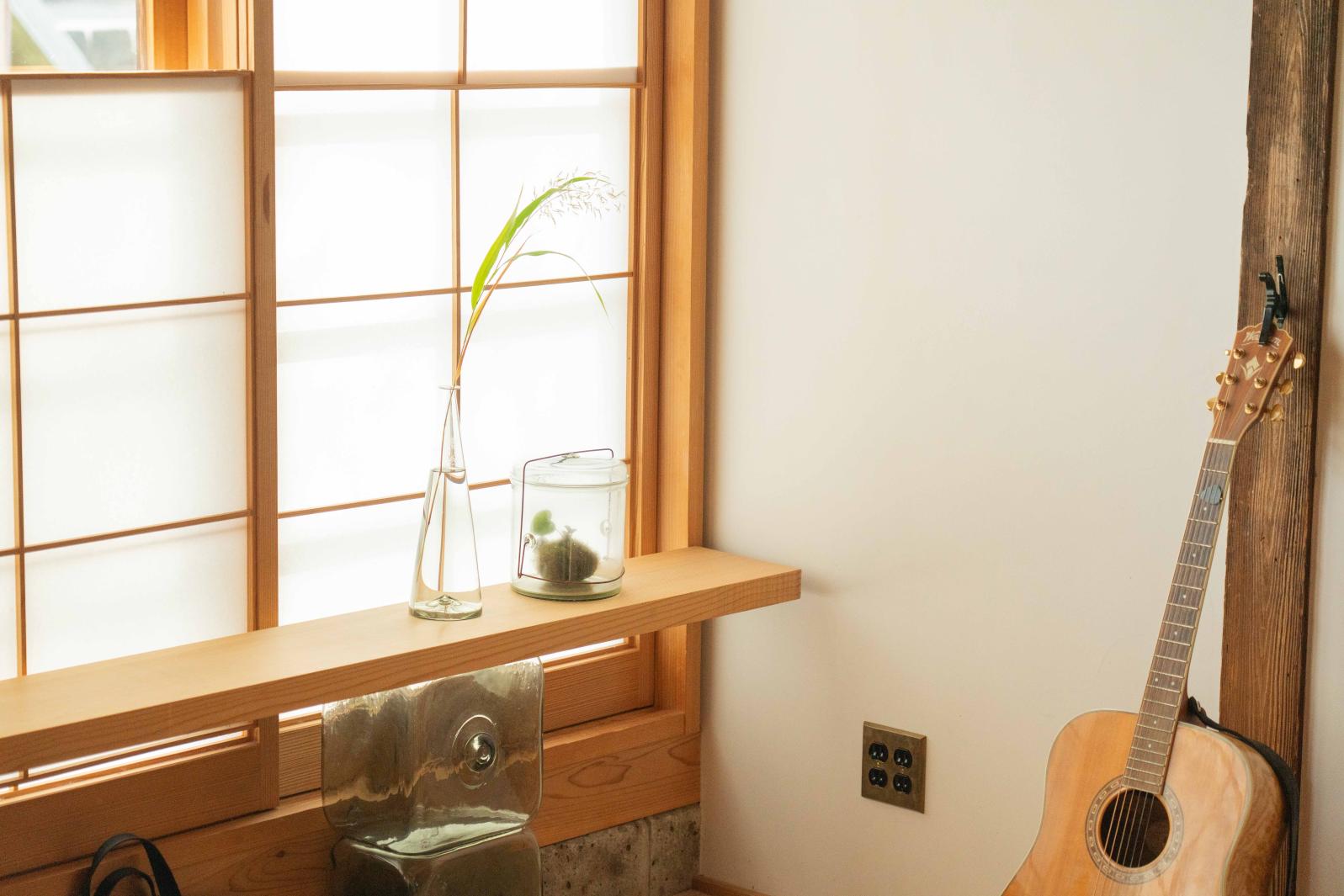
Find Peter Ivy’s works online: https://www.peterivy.com/
Reflections That Endure
In Toyama, glass is more than a craft—it’s a conversation between light, material, and the people who give it form. It’s in the way sunlight moves through Kengo Kuma’s architecture, in the weight of a handmade cup, in the precision of a line drawn through molten heat.
To walk through Toyama’s glass culture is to see how art and daily life intertwine: each object both fragile and enduring, ordinary and transcendent. For travelers, it’s not just something to observe but to experience—to hold a piece of Toyama’s clarity in your hands and see, for a moment, how it catches the light.
You Might Also Like
-
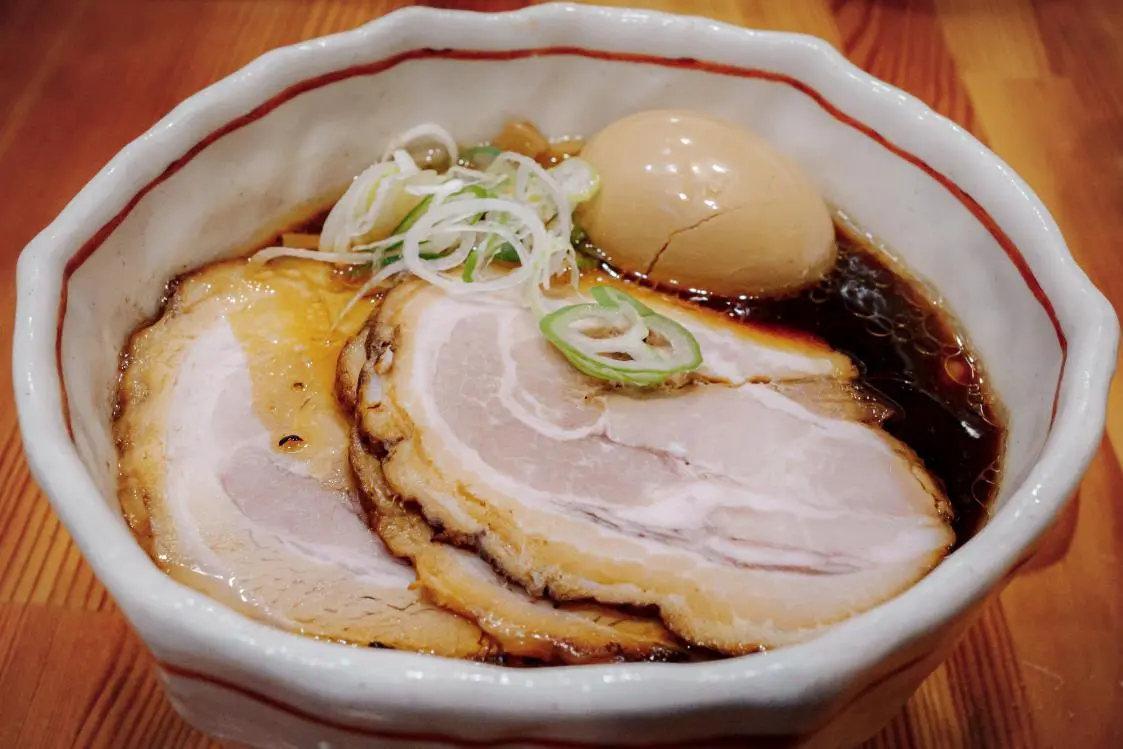
Toyama Black Ramen and Where to Eat It
-

Tateyama Kurobe Alpine Route: A Spectacle-Studded Journey Across the North Japan Alps
-
"World Heritage Bus," the Tourist Bus That Tours World Heritage Sites
-
Discover Toyama
-

Visiting Toyama in Winter
-
Visit Takaoka: The Hometown of One of Japan's Renowned Manga Artists!
-
A Tour on the JR Takayama Line Limited Express "Hida": Comparing Local Sakes of Toyama and Takayama
-
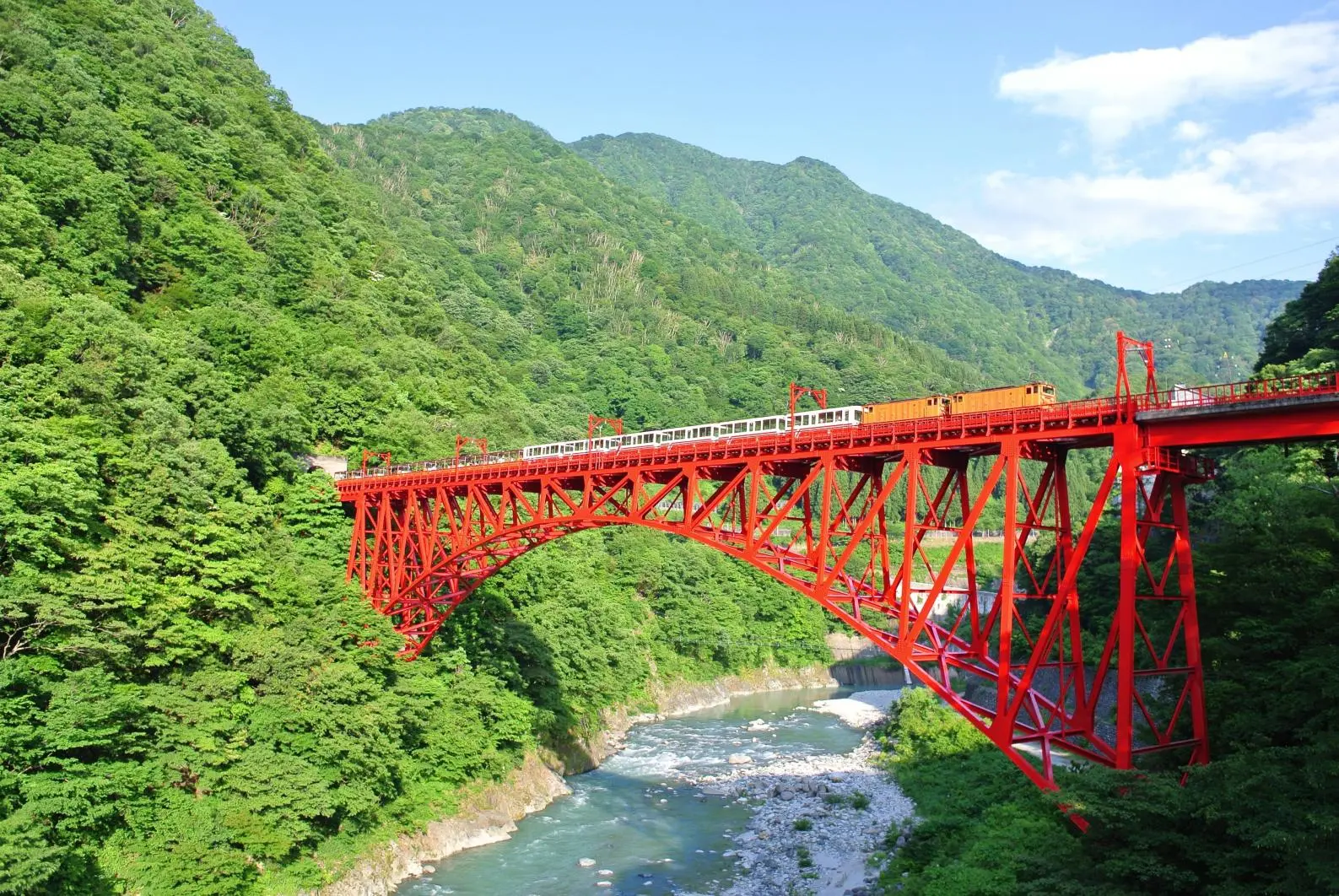
Kurobe Gorge is an Unexplored Region That Can Only be Reached by Trolley Train!
-
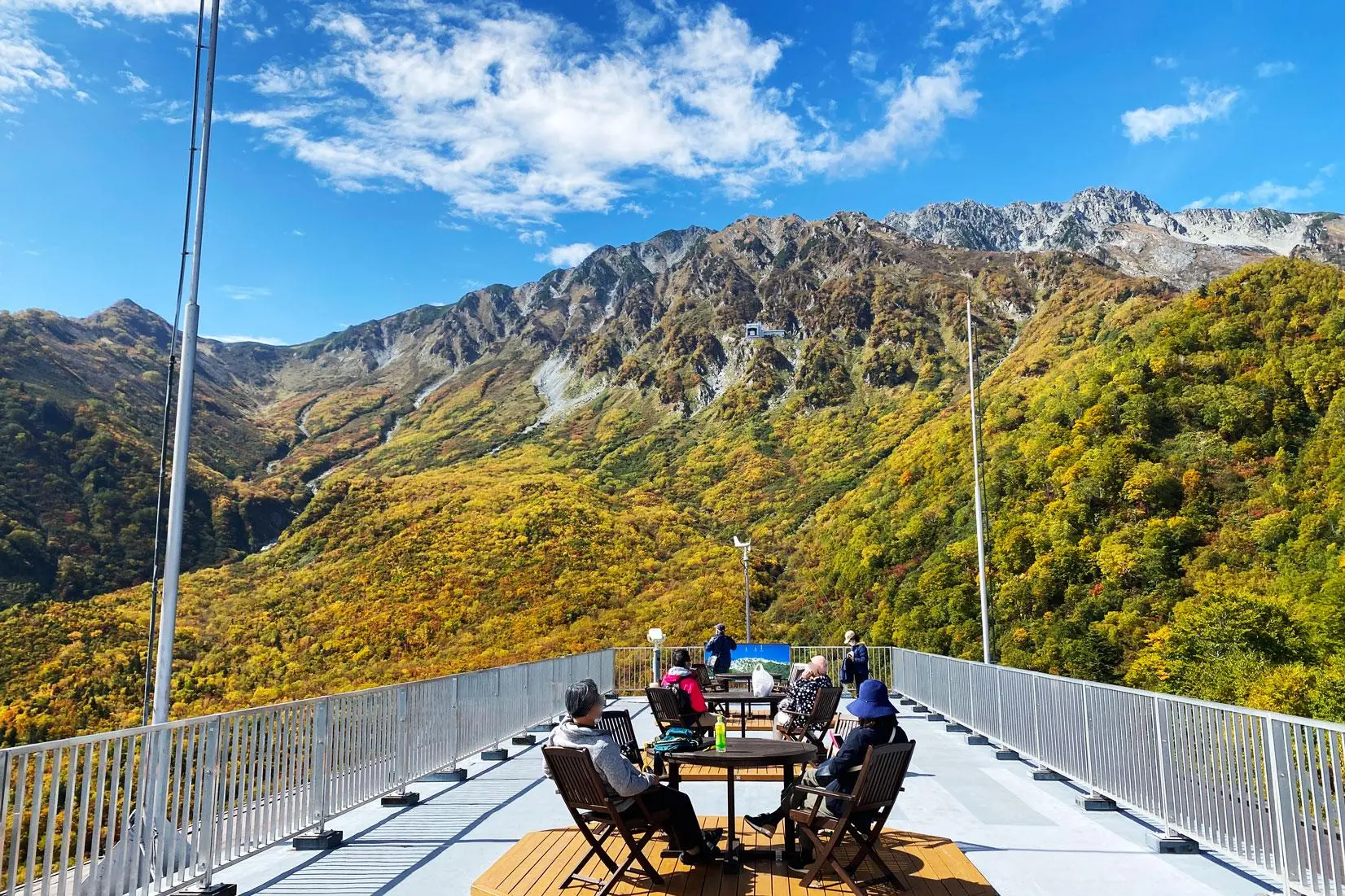
Recommended autumn foliage spot along the Tateyama Kurobe Alpine Route!
-
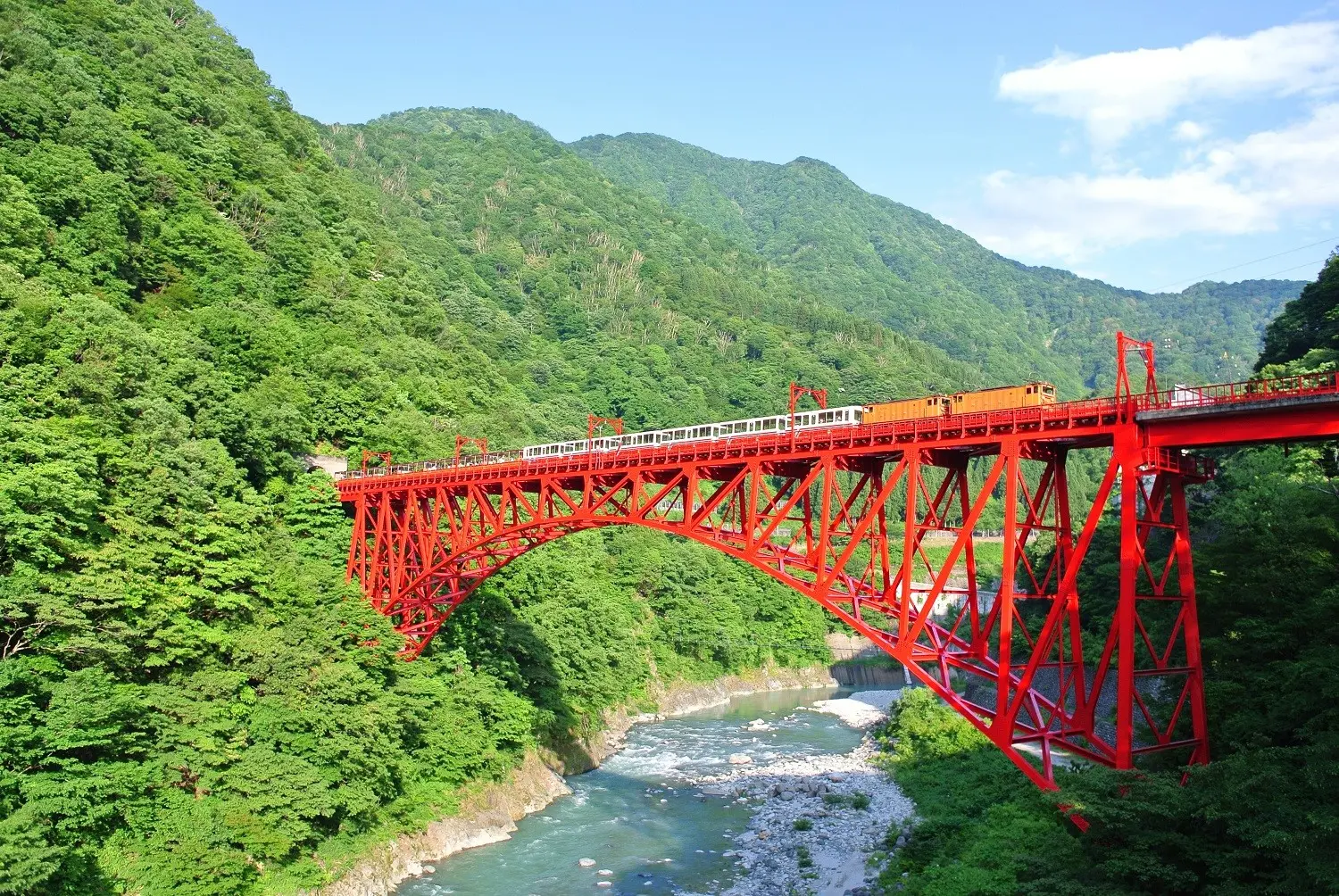
Kurobe Gorge: Secluded Hot Springs, Scenic Walks, and Spectacular Scenery
-
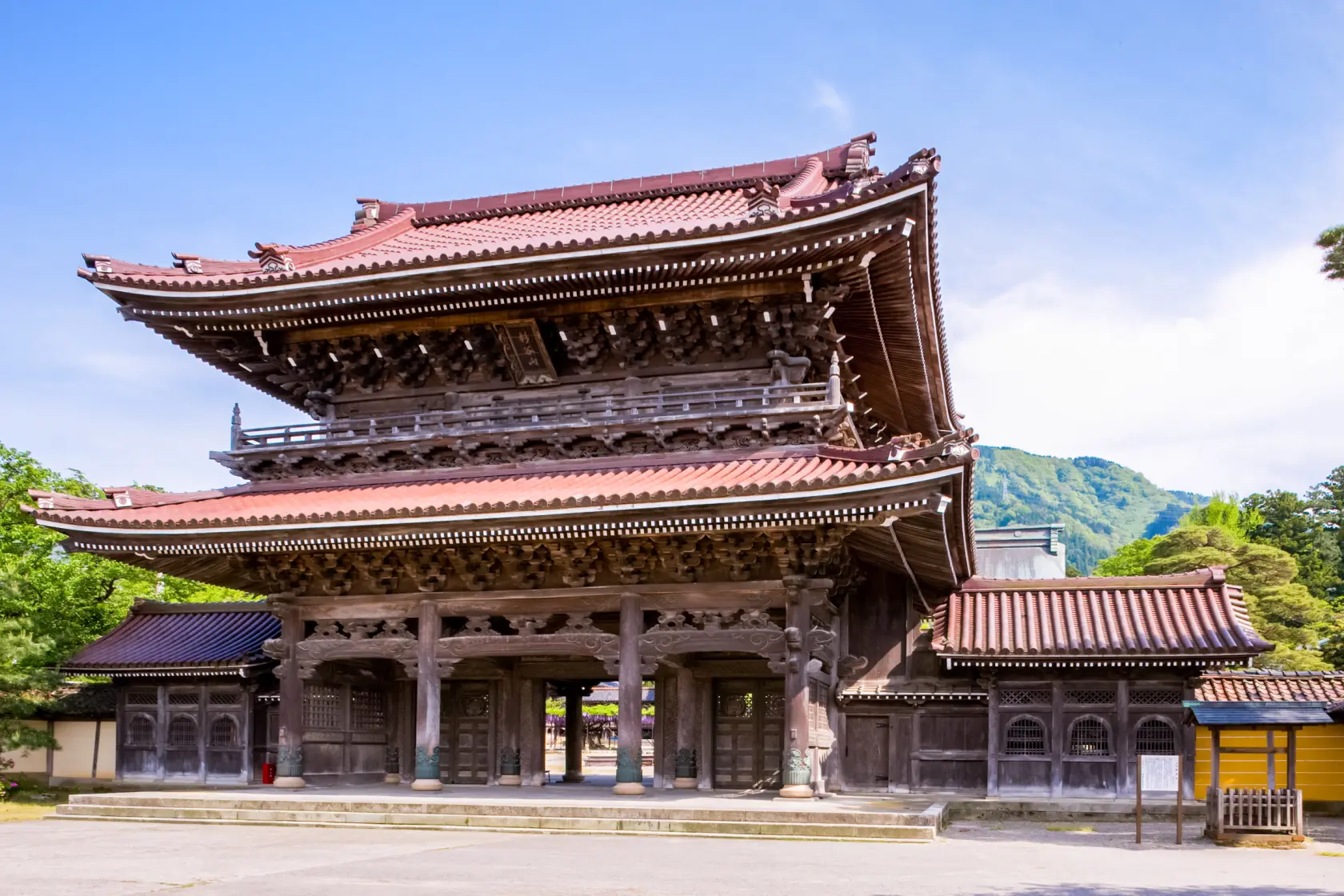
Touring “Inami,” the Town of Wood Carving
-
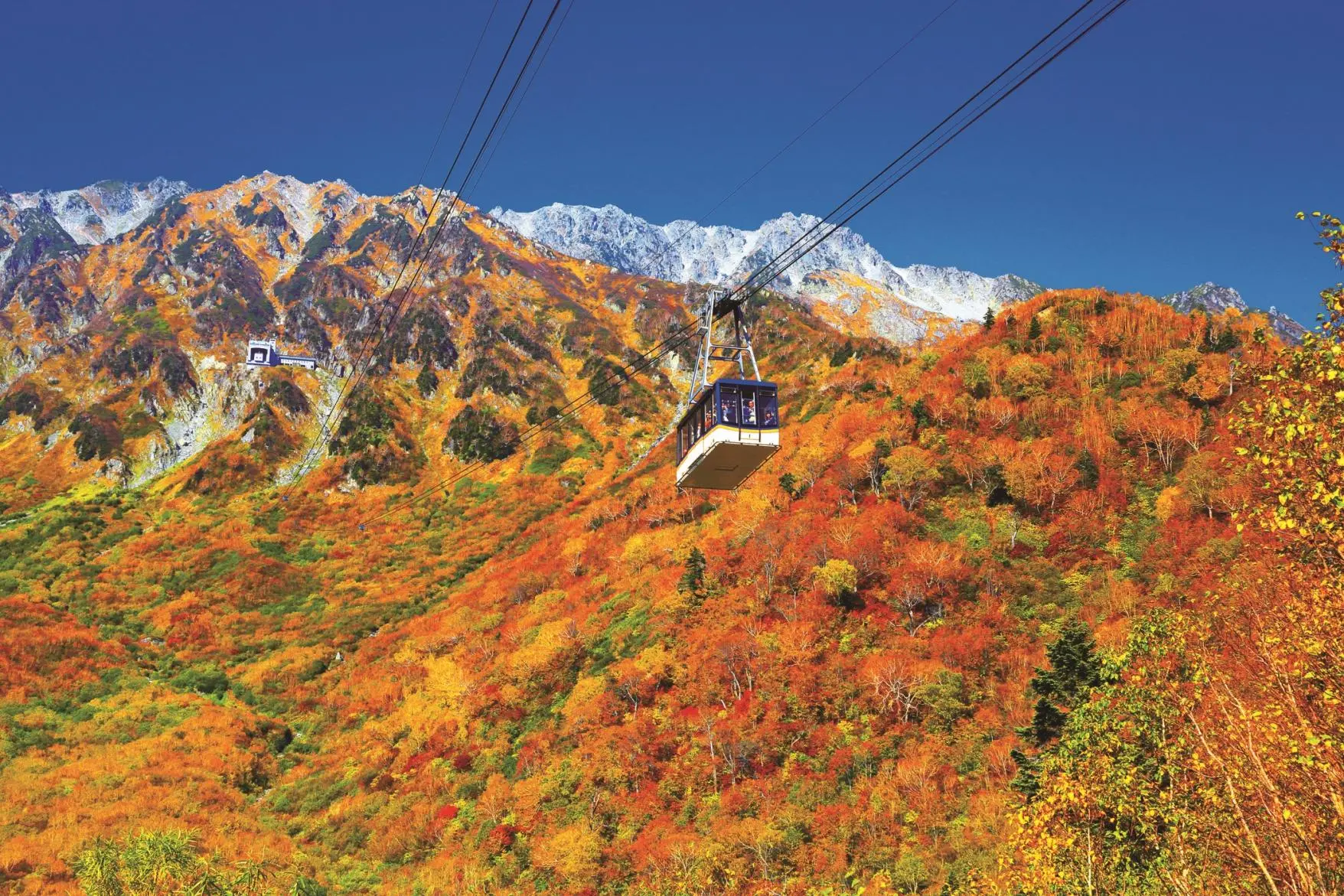
Must-visit: Toyama's Best Autumn Foliage Spots!
-
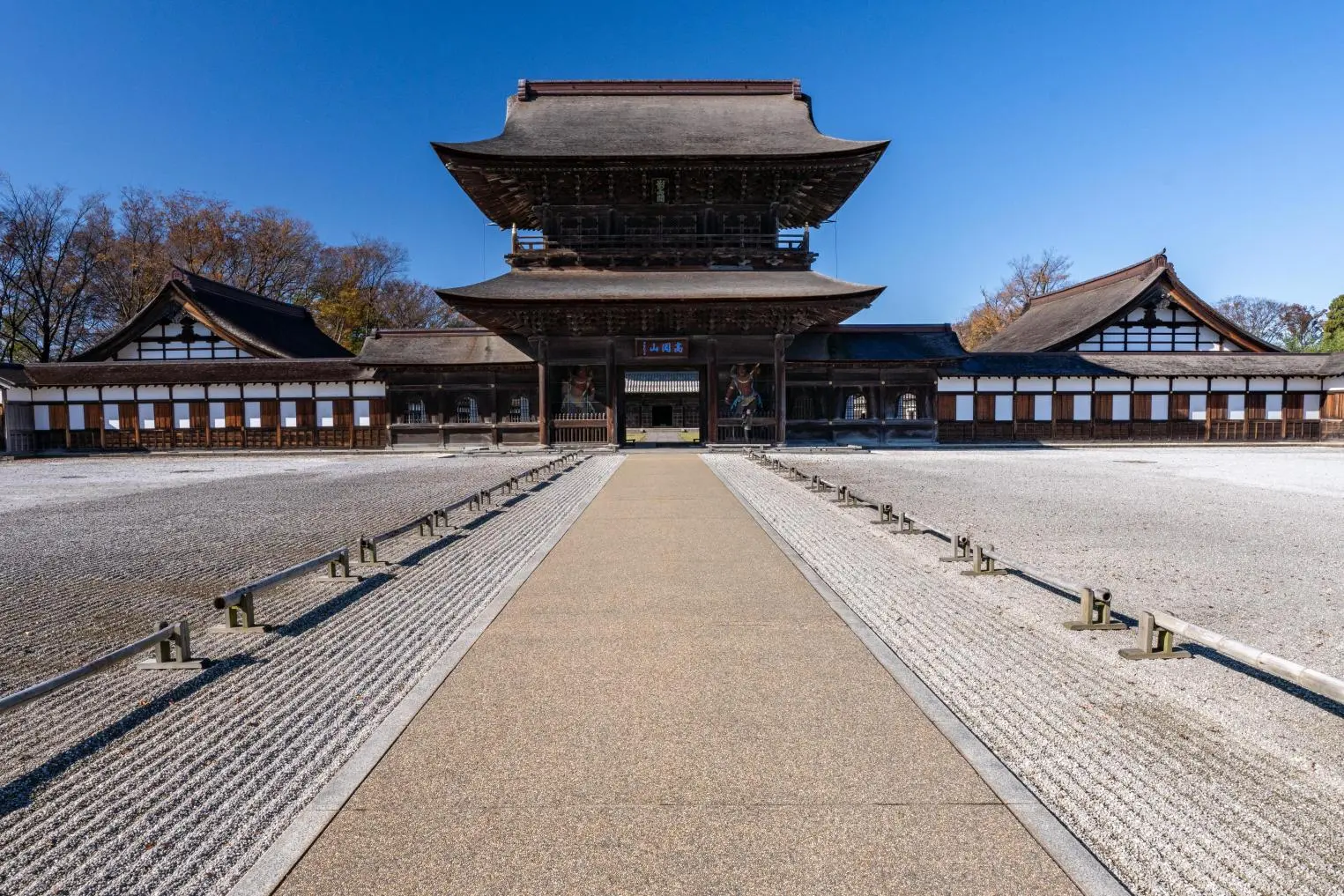
Enjoy a scenic stroll from Takaoka Station! Tour the historic city of Takaoka
-
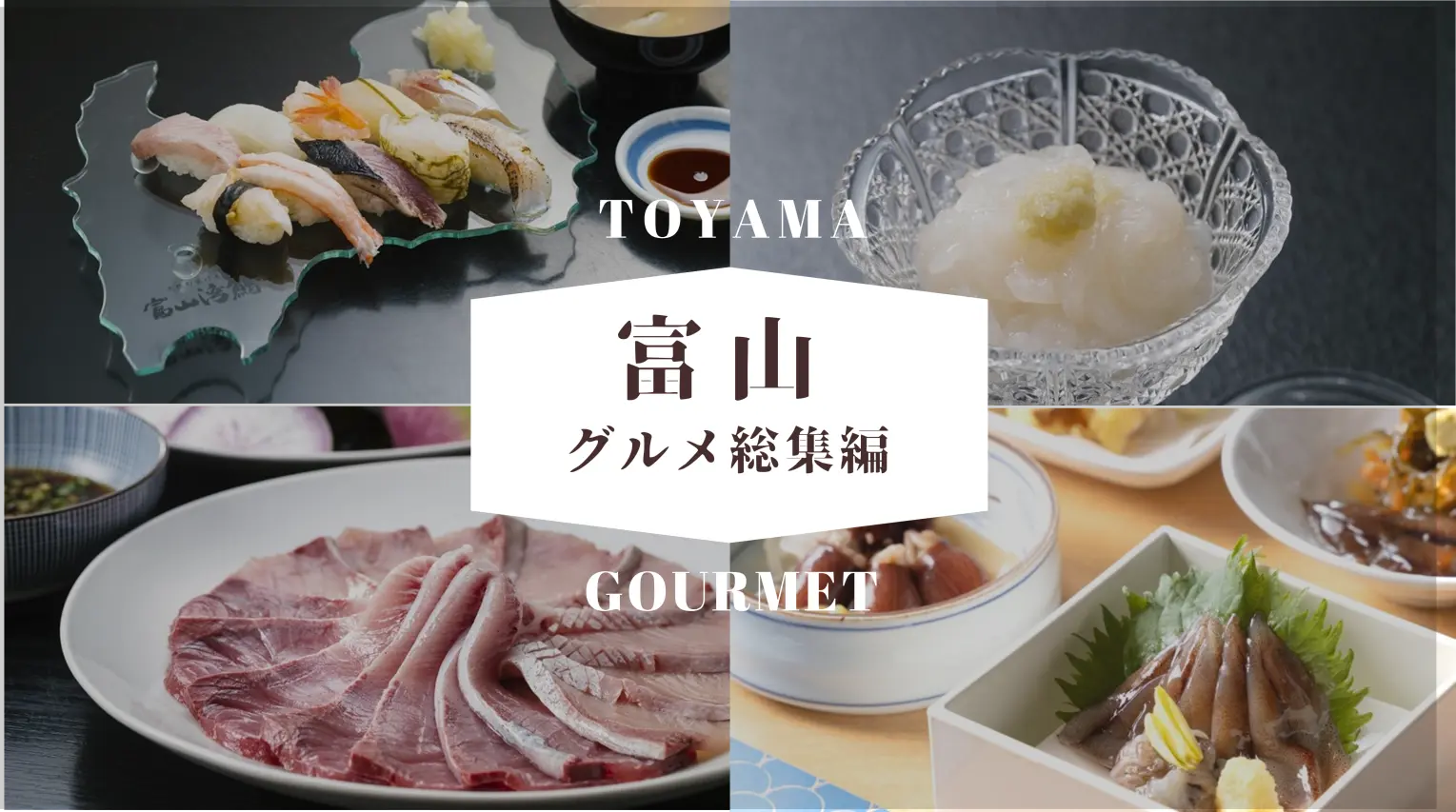
【Toyama Gourmet Deep Dive】 Tuck into local delicacies in tasty Toyama!
-
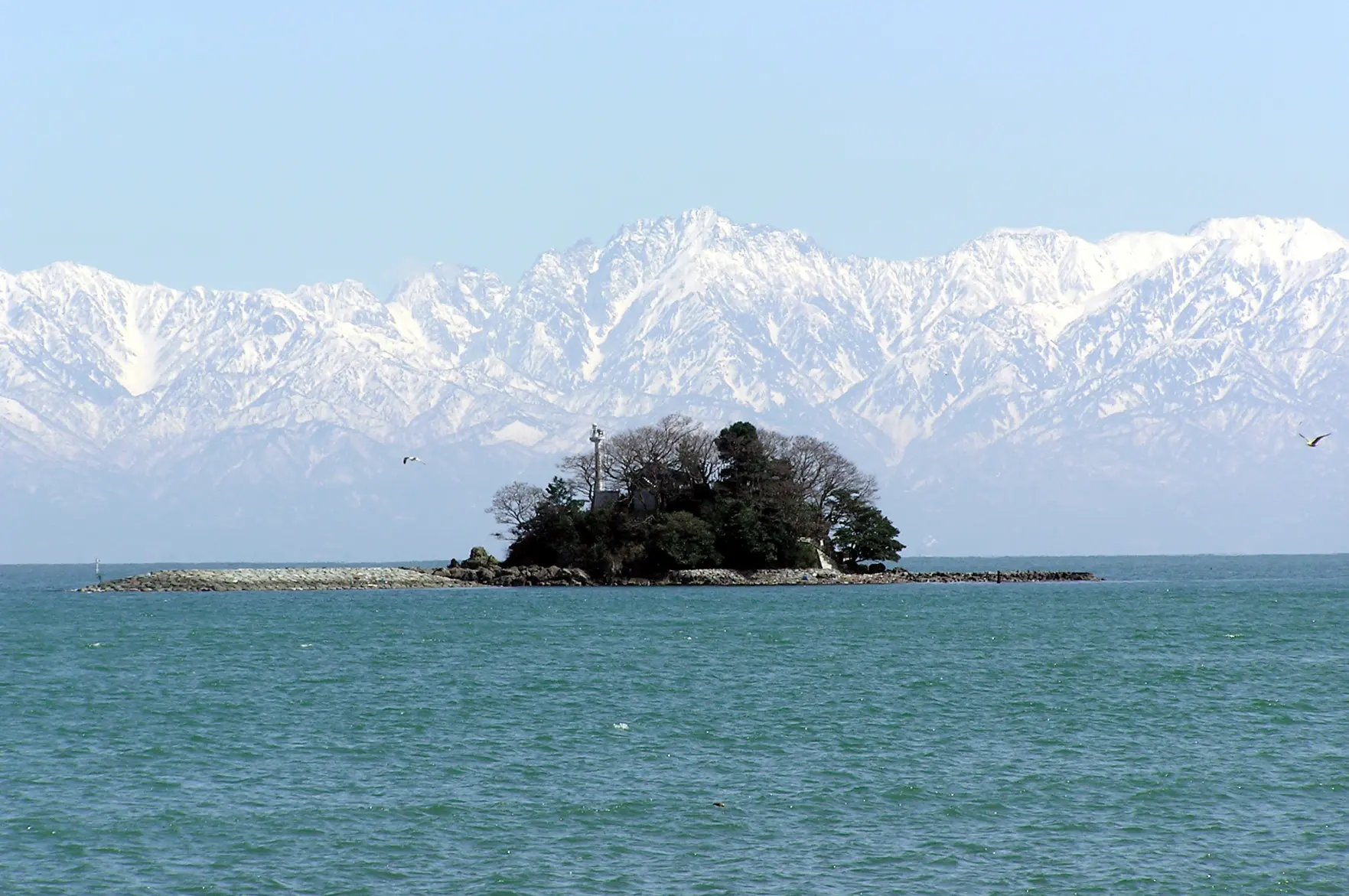
A One-day Walking Tour of Himi
-
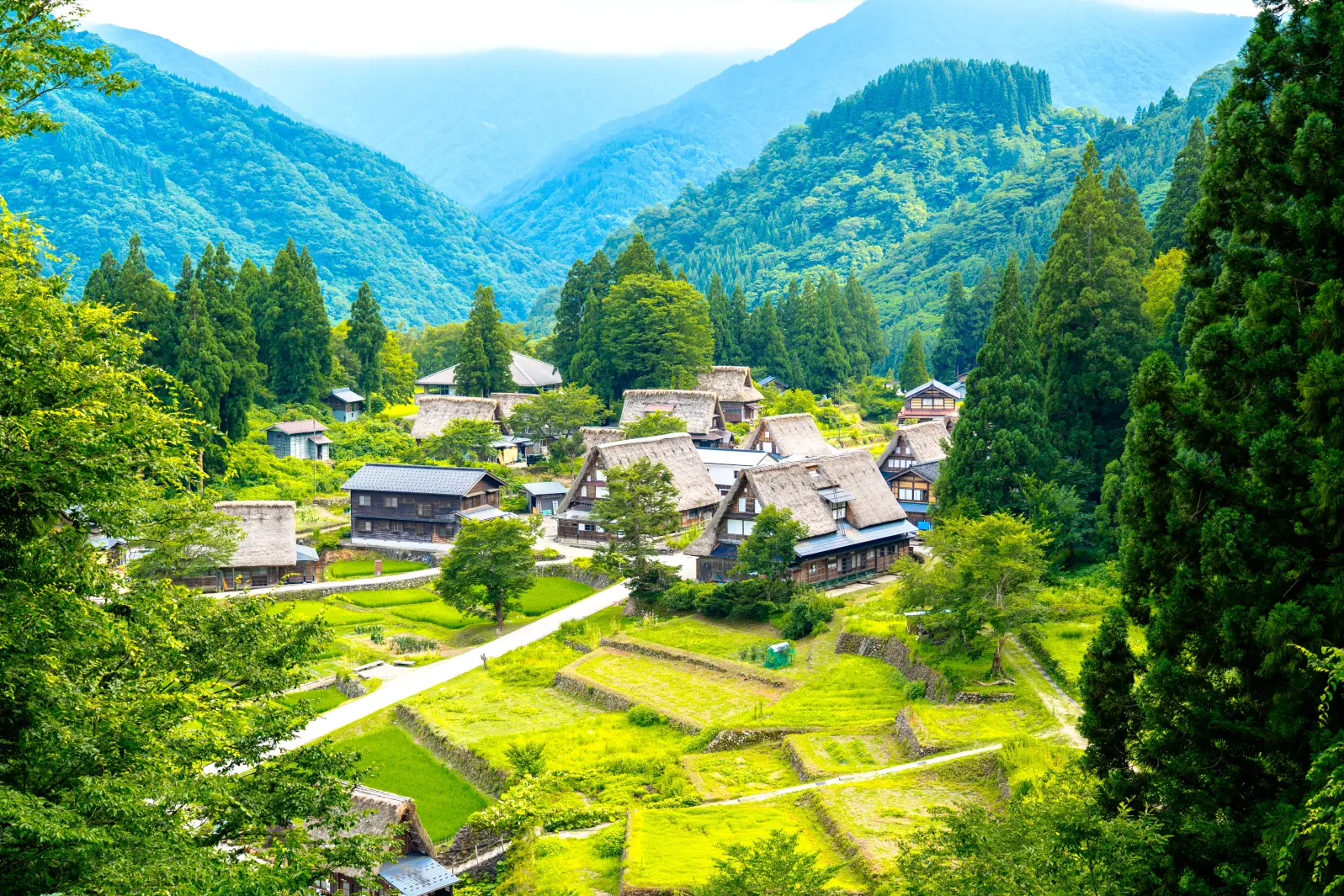
A Two-Day Immersive Stay in Gokayama: Where Culture, Craft, and Cuisine Endure
-
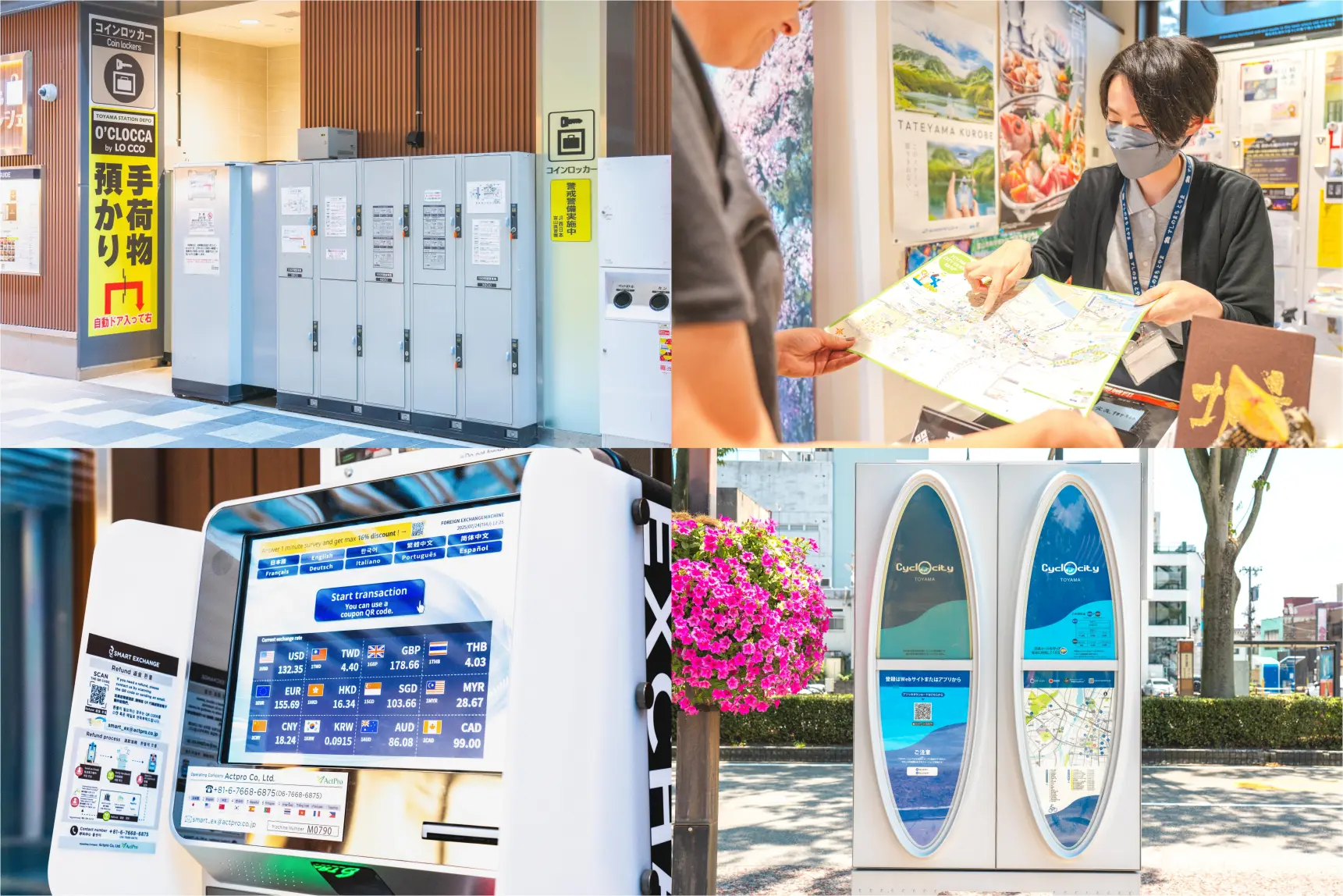
Toyama, Made Easy! Your Go-To Guide the Moment You Step Off the Train
-
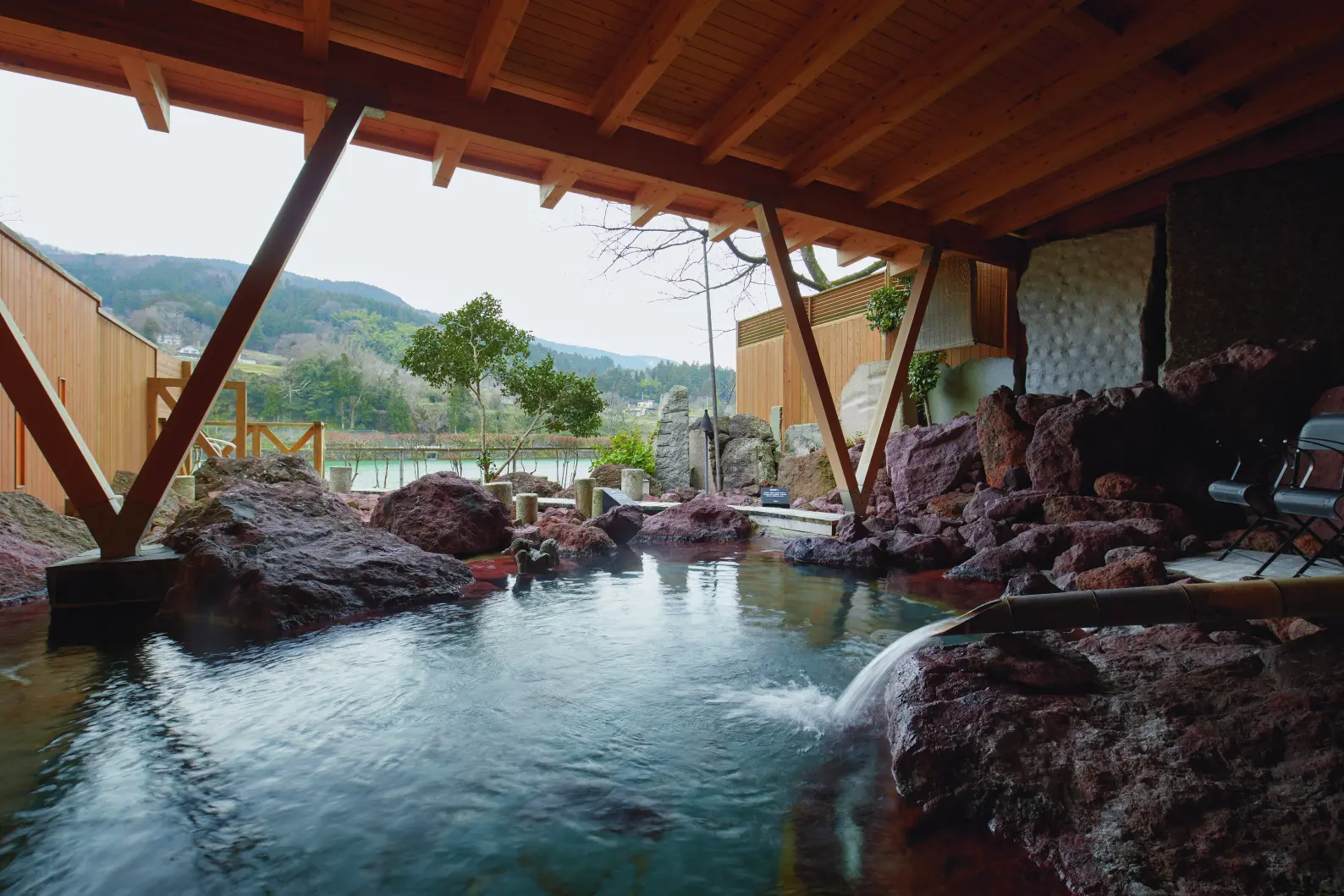
Stay and Savor Toyama: A Curated Guide to Hotels and Ryokan
-
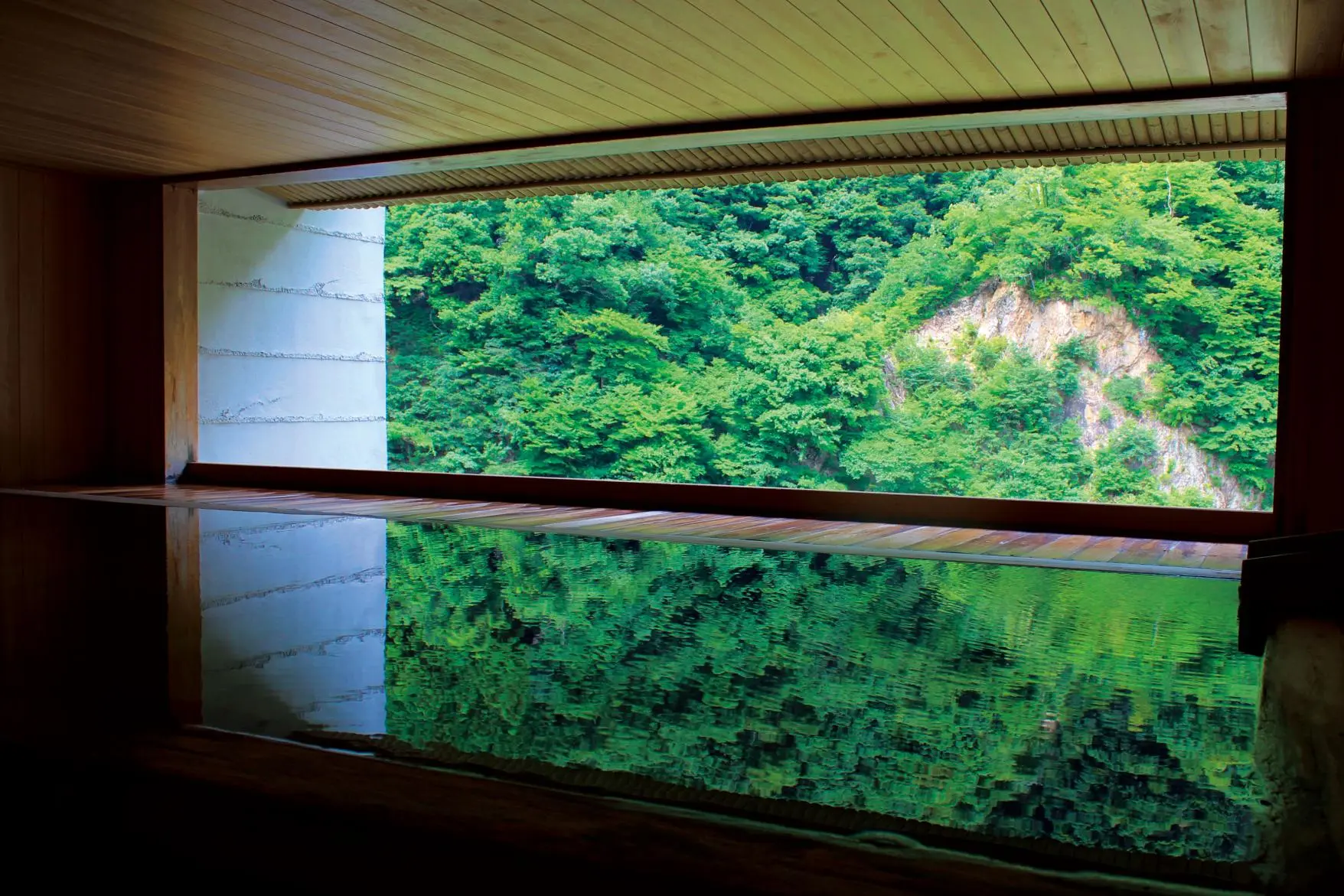
At Toyama’s Hot Springs, Let Famous Hot Springs and Spectacular Views Soothe You, and Bounties from the Mountains and the Sea Satiate You
-
The Best Kaisendon Seafood Bowls Around Toyama Bay